A Kindergarten Teacher Got a Small Grant to Make Her Learning More Hands-On
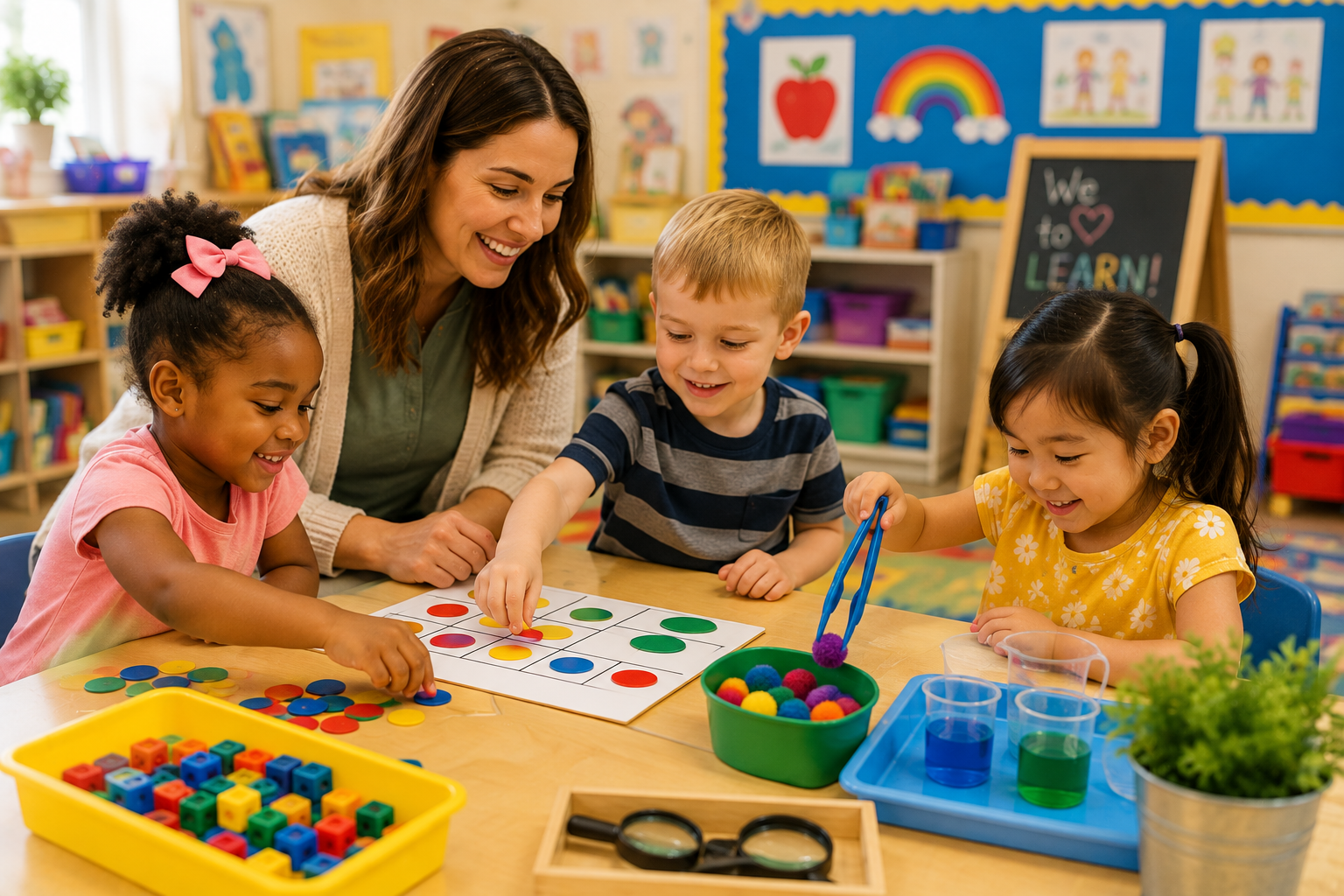
A kindergarten teacher at A-C Central Elementary School in Chandlerville, Illinois, received a $230 grant to add a sensory table to her classroom.
Instead of simply filling it with sand or water, she plans to turn the table into a hands-on learning station. Students might search for hidden letters and objects, use tongs to pick things up, practice academic skills, and work together on activities.
Why This Is a Good Idea
Young children learn through doing, moving, touching, exploring, and playing, not only by sitting and listening.
Activities using tongs, sorting, manipulating objects, finding letters, and working with classmates can also provide natural opportunities to practice fine-motor, early academic, language, and social skills.
The important part is that the sensory table isn’t being treated as a magic solution. It’s being used as another purposeful way to teach and practice skills.
How Could We Use This in Our Own Schools?
We could start very small.
A school could create inexpensive hands-on learning bins for letters, numbers, sorting, vocabulary, science, or fine-motor practice. Teachers could rotate the materials to match what students are currently learning.
The takeaway: Innovation doesn’t always mean buying expensive technology or creating an entirely new program. Sometimes $230 and a thoughtful teacher can make learning more active and accessible.
Read the original story: Chandlerville kindergarten teacher gets grant for sensory table — Journal-Courier

Rachel Wise is the author and founder of Education and Behavior. Rachel created Education and Behavior in 2014 for adults to have an easy way to access research-based information to support children in the areas of learning, behavior, and social-emotional development. As a survivor of abuse, neglect, and bullying, Rachel slipped through the cracks of her school and community. Education and Behavior hopes to play a role in preventing that from happening to other children. Rachel is also the author of Building Confidence and Improving Behavior in Children: A Guide for Parents and Teachers.
"Children do best when there is consistency within and across settings (i.e., home, school, community). Education and Behavior allows us to maintain that consistency."
- Rachel Wise
- Rachel Wise
- Rachel Wise
- Rachel Wise
- Rachel Wise
- Rachel Wise
- Rachel Wise
- Rachel Wise
- Rachel Wise
- Rachel Wise
- Rachel Wise
- Rachel Wise
- Rachel Wise
- Rachel Wise
- Rachel Wise
- Rachel Wise
- Rachel Wise
- Rachel Wise
- Rachel Wise
- Rachel Wise
- Rachel Wise
- Rachel Wise
- Rachel Wise
- Rachel Wise
- Rachel Wise
- Rachel Wise
- Rachel Wise
- Rachel Wise
You May Also Like
Releated Topics
Can a Question Before Learning Help Kids Remember More?
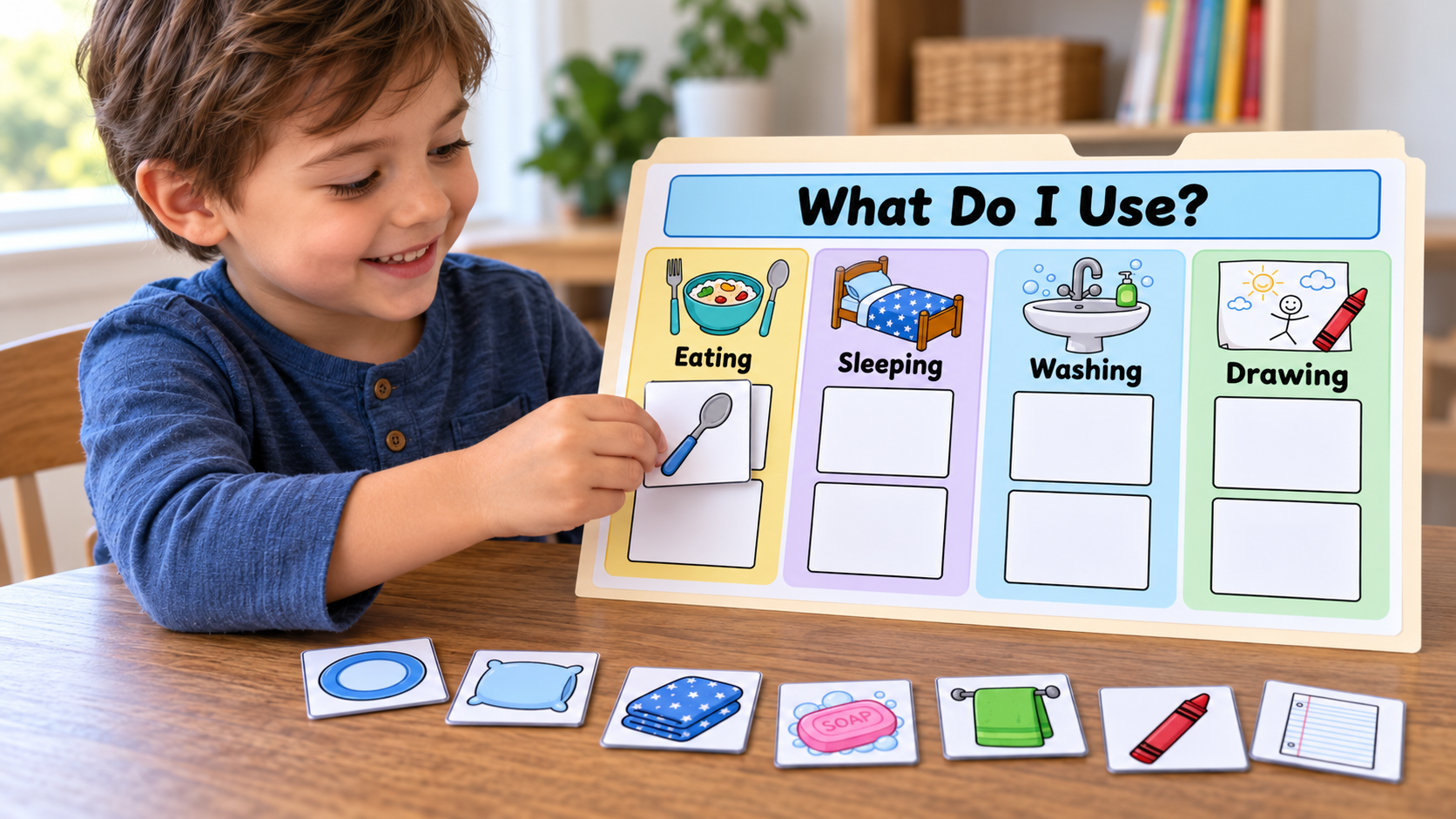
What Do I Use? Everyday Object Hands-On Matching Activity
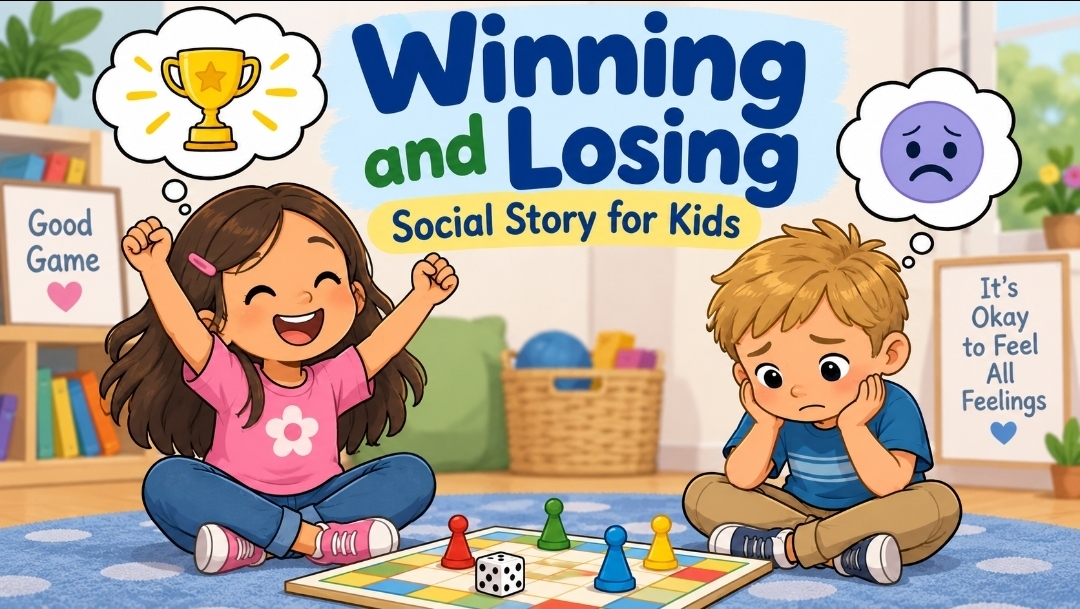
Winning and Losing Social Story