A School Cut Discipline Referrals in Half. Here’s One Strategy Worth Trying
An Atlanta middle school reported cutting discipline referrals by about 50% after implementing a broader relationship-focused approach.
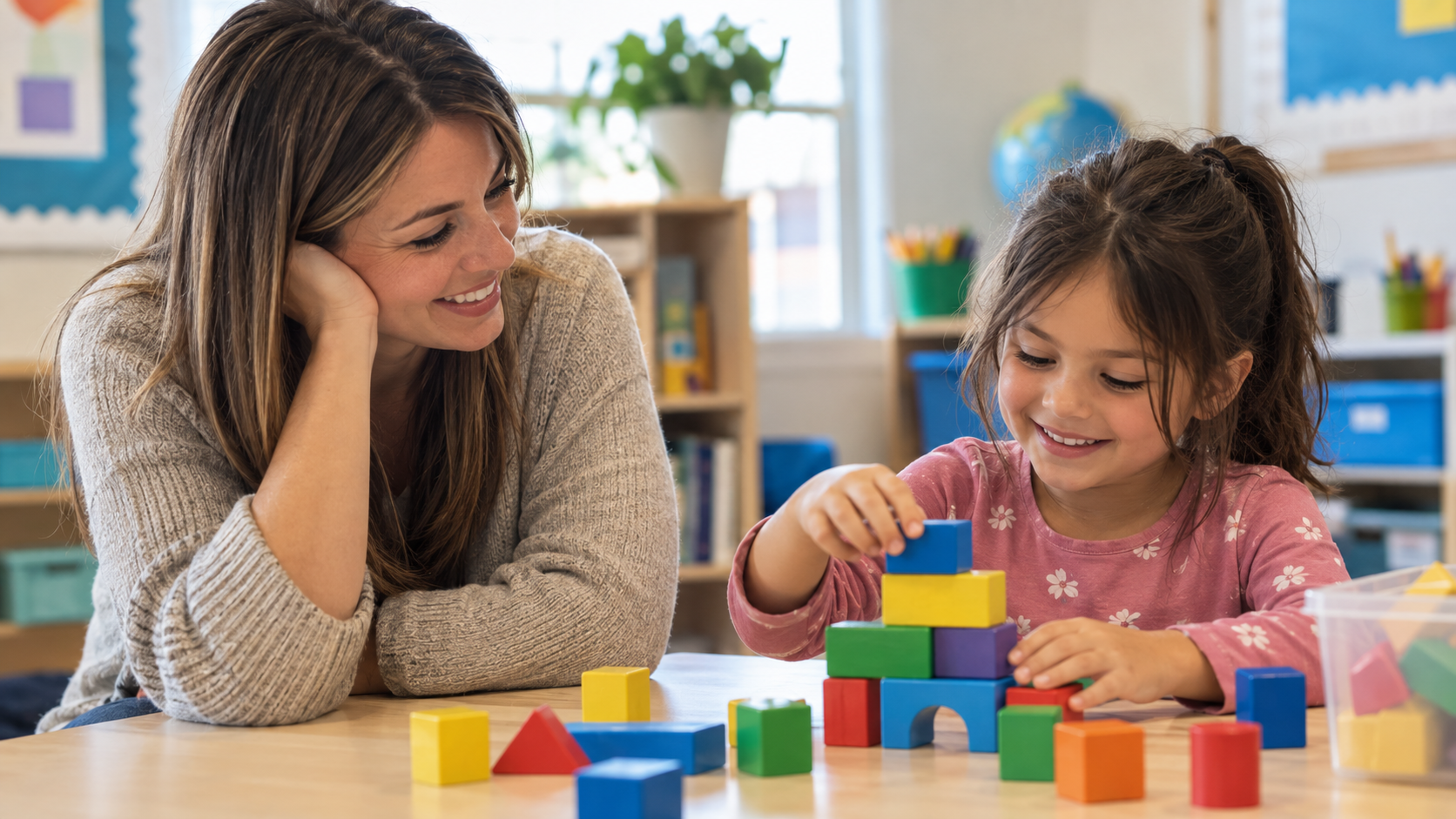
One part of that approach was surprisingly simple: teachers intentionally connected with students before jumping into academics or corrections.
This article stood out to me because as a behavior consultant and school psychologist, I prioritize connection first in my own work with my clients.
Before asking a child to work, I may ask what they want to start with, talk about something they like, join them in an activity, sit beside them, offer a high-five or thumbs-up, or use pictures or AAC to connect.
In my experience, children are often much more willing to listen and work with an adult when they feel comfortable and connected first.
Try This: Connection Before Direction
Before giving a direction, take a brief moment to connect.
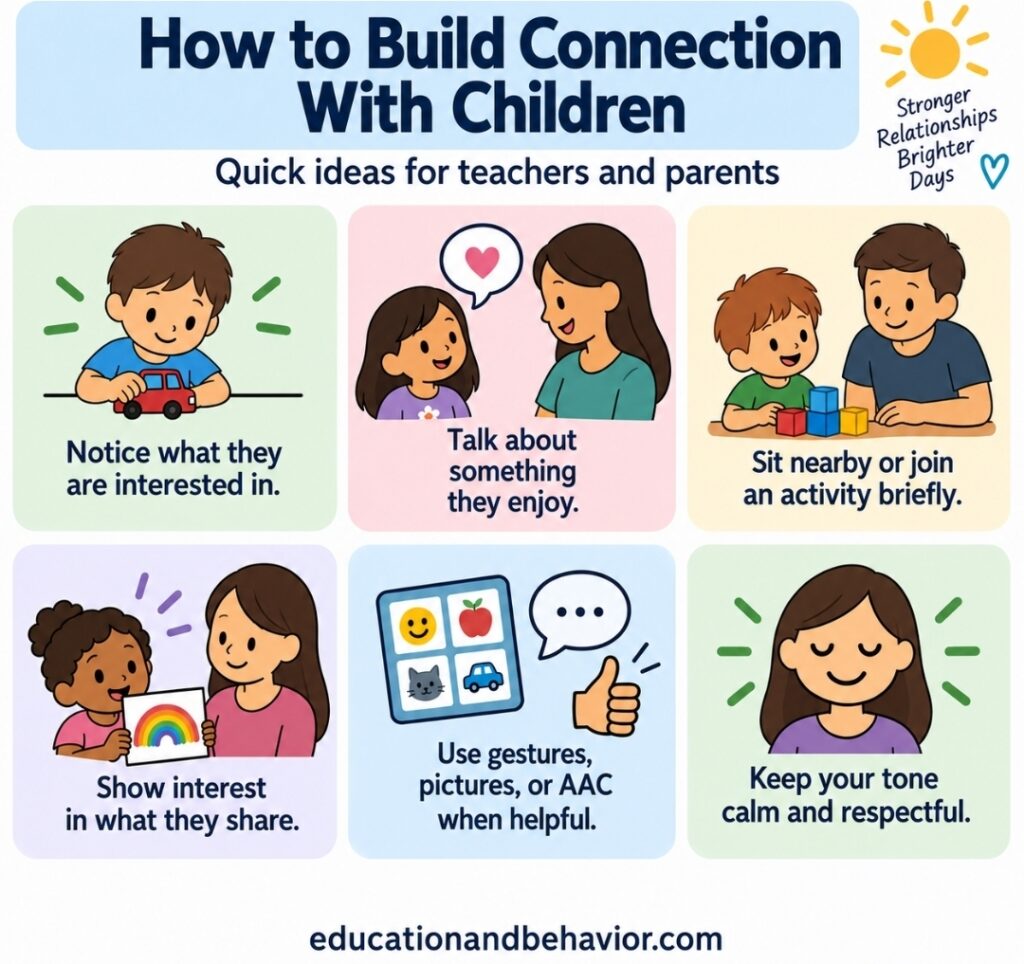
– Notice something the child is interested in.
– Ask what they would like to start with.
– Play or sit beside them briefly.
– Smile, wave, high-five, or give a thumbs-up.
– Use pictures or AAC when appropriate.
– Keep your tone calm and respectful.
– Give the direction clearly and simply.
One important reminder: connection is more than praise. Saying “good job” may not mean much if most other interactions with the child are rushed, sharp, demanding, or corrective.
Some children may connect through play, gestures, AAC, or simply having you sit beside them. Be mindful to not make connection feel like a demand.
Research supports the importance of connection for students and teachers.
A 2025 review covering 26 meta-analyses and approximately 2.64 million students found teacher-student relationships were significantly related to outcomes including behavior, engagement, motivation, achievement, self-control, school belonging, and well-being.
You May Also Like the 5 to 1 Ratio Strategy
The goal is to ensure that you have positive moments with your child or student to build connection.
These positive moments should include more than demands and corrections.
Learn more:
Read the CBS Atlanta story about the school’s approach
Read the teacher-student relationship research on PubMed

Rachel Wise is the author and founder of Education and Behavior. Rachel created Education and Behavior in 2014 for adults to have an easy way to access research-based information to support children in the areas of learning, behavior, and social-emotional development. As a survivor of abuse, neglect, and bullying, Rachel slipped through the cracks of her school and community. Education and Behavior hopes to play a role in preventing that from happening to other children. Rachel is also the author of Building Confidence and Improving Behavior in Children: A Guide for Parents and Teachers.
"Children do best when there is consistency within and across settings (i.e., home, school, community). Education and Behavior allows us to maintain that consistency."
- Rachel Wise
- Rachel Wise
- Rachel Wise
- Rachel Wise
- Rachel Wise
- Rachel Wise
- Rachel Wise
- Rachel Wise
- Rachel Wise
- Rachel Wise
- Rachel Wise
- Rachel Wise
- Rachel Wise
- Rachel Wise
- Rachel Wise
- Rachel Wise
- Rachel Wise
- Rachel Wise
- Rachel Wise
- Rachel Wise
- Rachel Wise
- Rachel Wise
- Rachel Wise
- Rachel Wise
- Rachel Wise
- Rachel Wise
- Rachel Wise
You May Also Like
Releated Topics
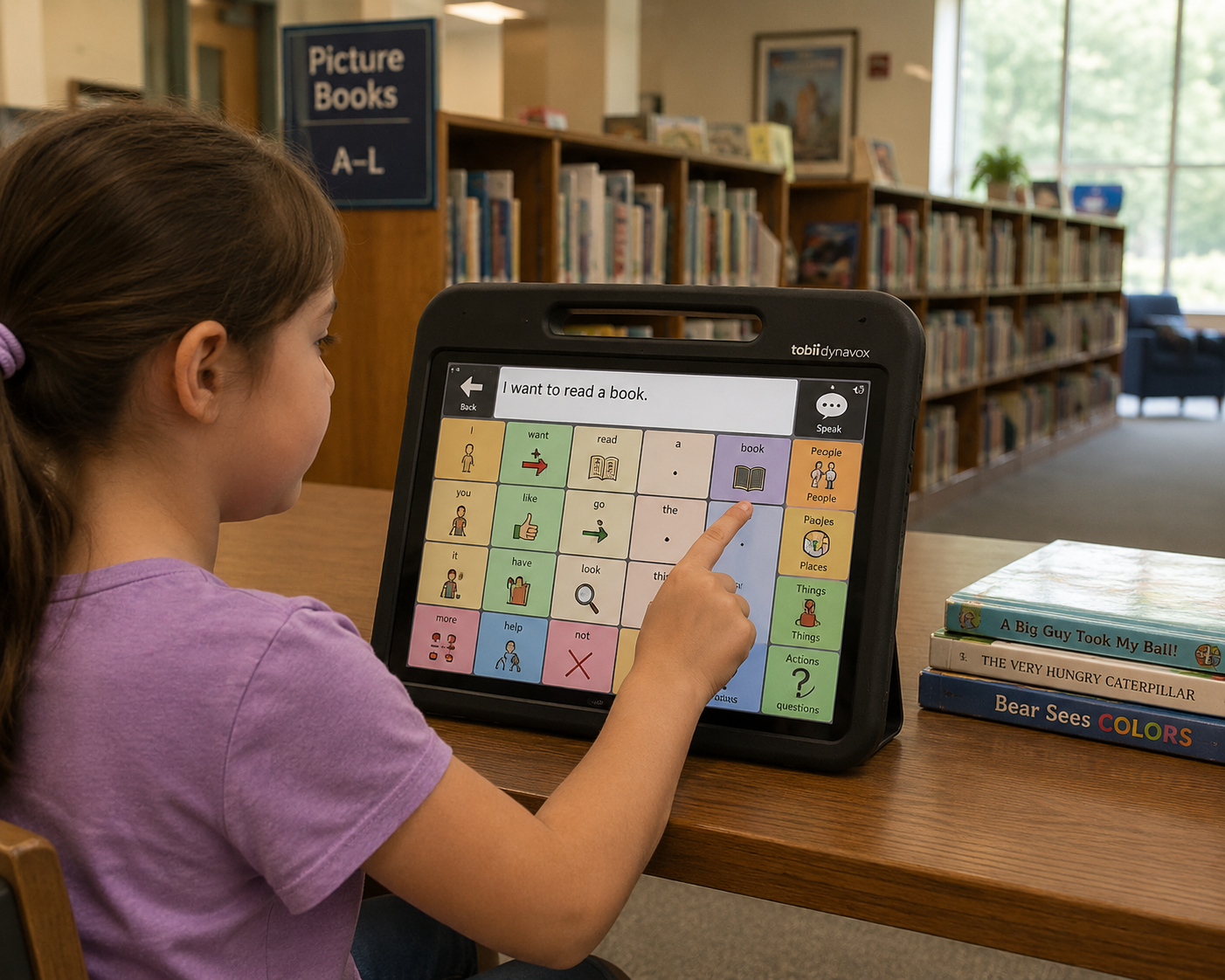
What If Communication Boards Were Installed at the Library?
Big Feelings Social Story: Helping Kids Manage Strong Emotions
Hands to Myself Social Story: Free Safe and Gentle Hands Visual