When Plans Change: A Social Story
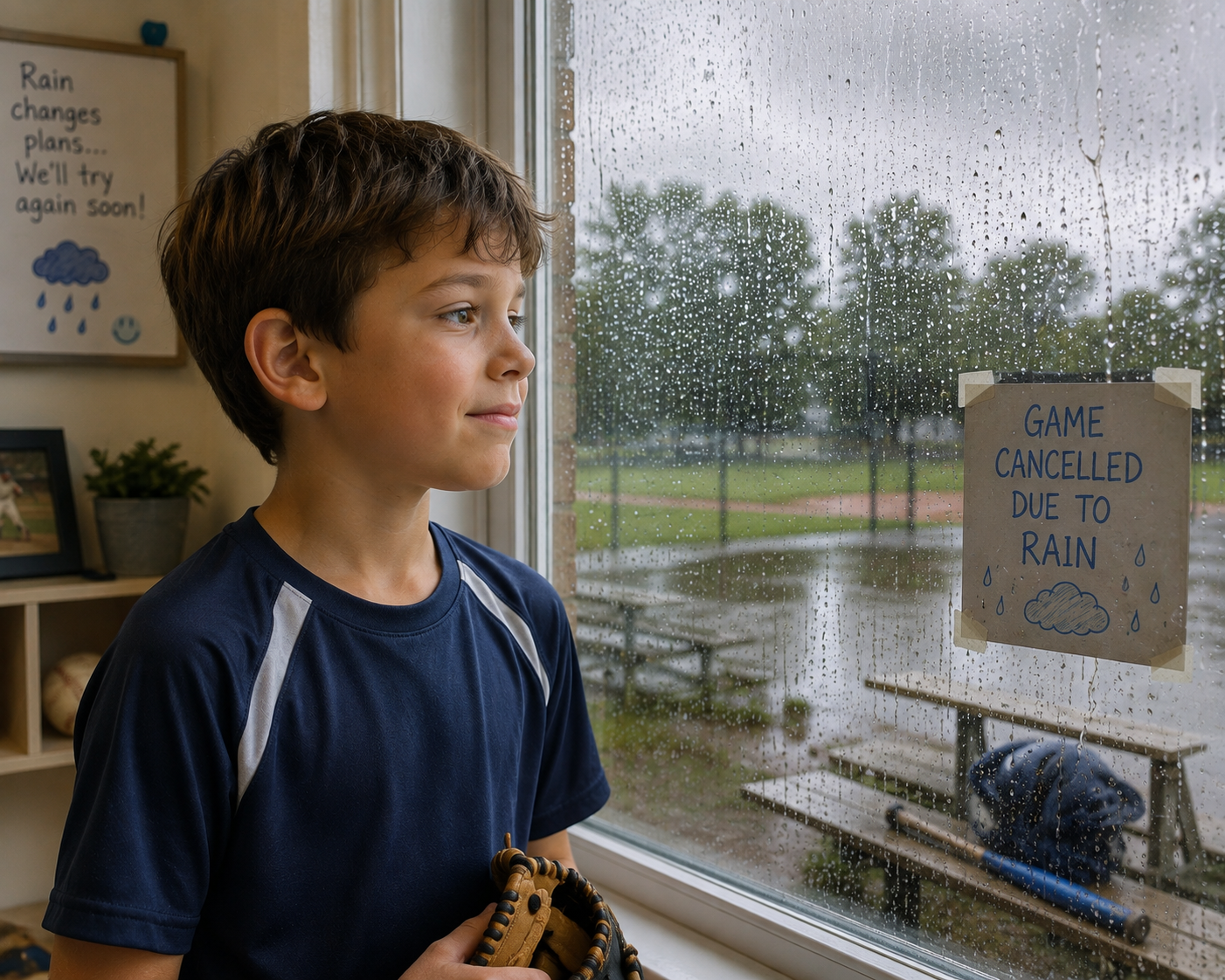
Unexpected changes can be difficult for children, especially when they were expecting a specific activity, routine, or event.
A change that seems small to an adult – such as indoor recess, a canceled activity, a substitute teacher, or going somewhere different than expected—may lead to disappointment, worry, frustration, or uncertainty.
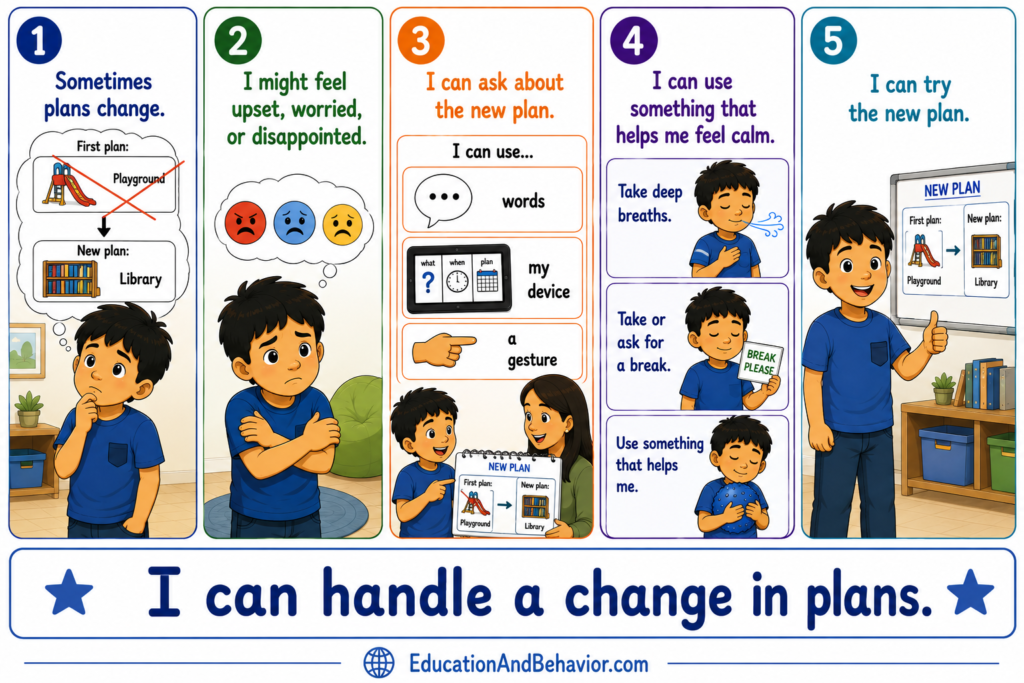
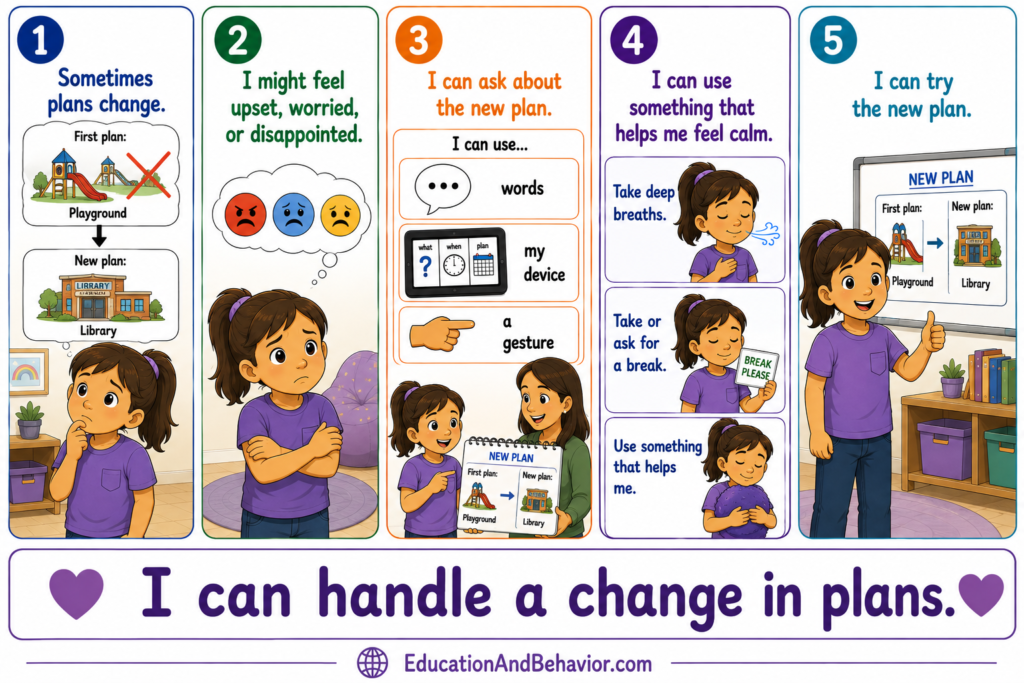
This When Plans Change social story gives children a simple five-step visual for understanding what they can do when something doesn’t go according to plan.
What the Social Story Teaches
The visual walks children through five ideas:
Sometimes plans change.
I might feel upset, worried, or disappointed.
I can ask about the new plan.
I can use something that helps me feel calm.
I can try the new plan.
The communication section intentionally shows several ways a child can ask about a change, including using words, an AAC device, or a gesture.
Children do not need to use spoken language to participate in the strategy.
Why Visual Supports Can Help With Changes
Knowing what is happening next can make an unexpected situation easier to understand. Visual schedules can communicate upcoming activities using pictures, objects, icons, or words, and social strues can be used to prepare children for unfamiliar situations or changes.
How to Use the Social Story
Review the story before situations in which a change is likely, rather than waiting until a child is already very upset.
You can also return to the story after an unexpected change and talk about what helped. This is only recommended when the client or student is in a calm state.
The goal isn’t to tell a child that they shouldn’t be disappointed when plans change. Instead, the visual helps acknowledge that feeling upset, worried, or disappointed is okay while teaching concrete ways to find out what is happening next and cope with the change.
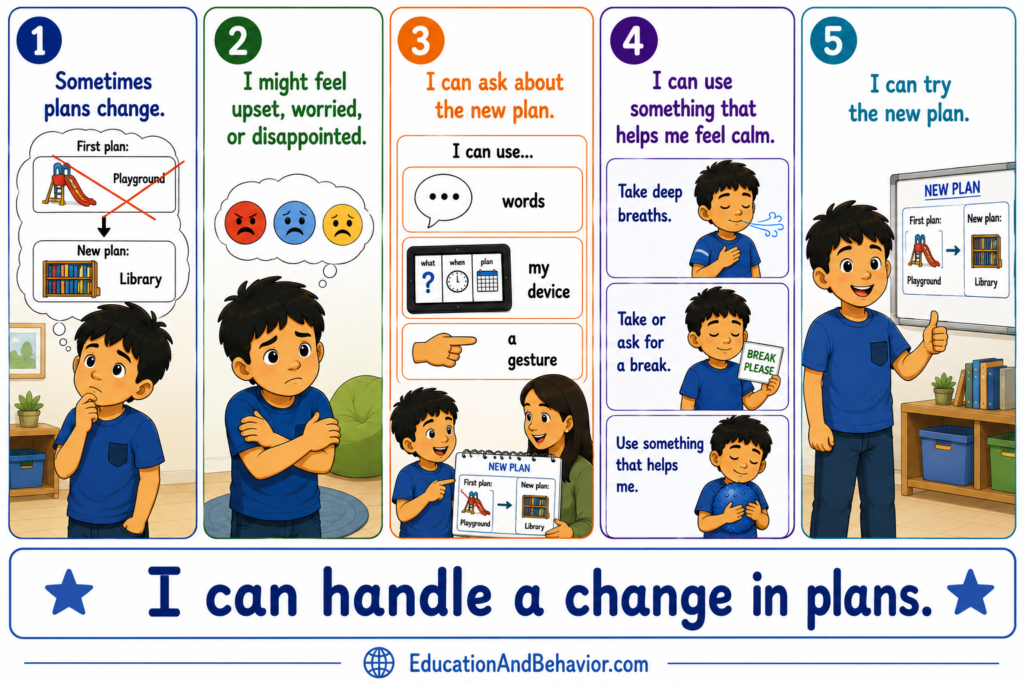
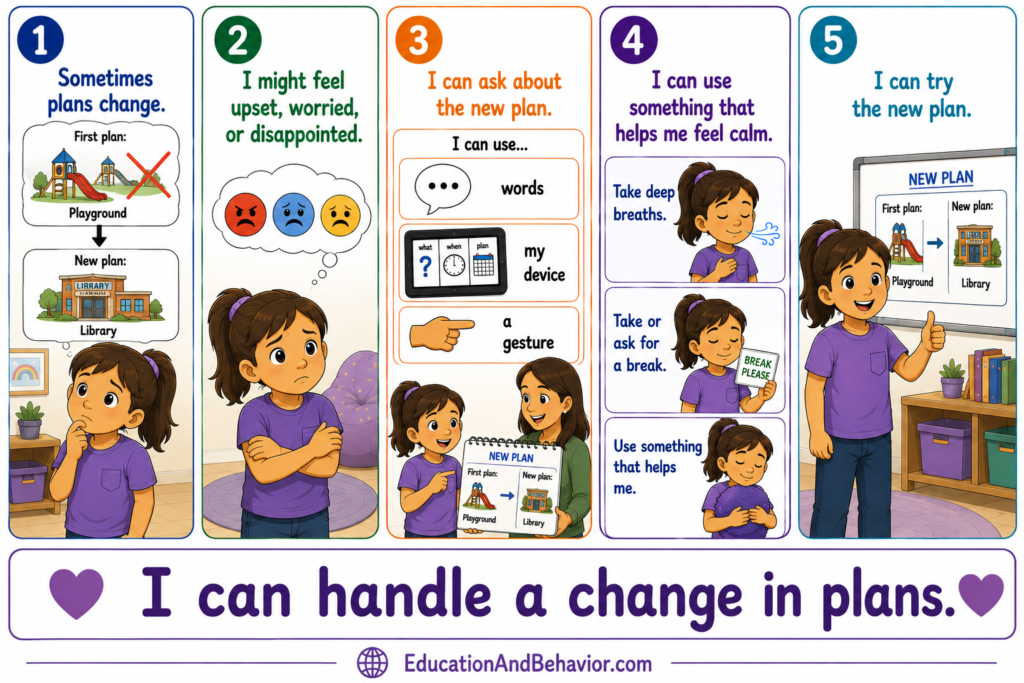
Free visual: Choose the boy or girl version below and save it or keep it for use at home, school, or during behavioral or academic support sessions.
For more ideas on using visual supports to help children with autism understand routines and prepare for changes, see Visual Schedules in the Classroom Setting, written by Kara Hume of the Indiana Resource Center for Autism.
Educational resource only. Individual children may need different communication, sensory, behavioral, or emotional supports.

Rachel Wise is the author and founder of Education and Behavior. Rachel created Education and Behavior in 2014 for adults to have an easy way to access research-based information to support children in the areas of learning, behavior, and social-emotional development. As a survivor of abuse, neglect, and bullying, Rachel slipped through the cracks of her school and community. Education and Behavior hopes to play a role in preventing that from happening to other children. Rachel is also the author of Building Confidence and Improving Behavior in Children: A Guide for Parents and Teachers.
"Children do best when there is consistency within and across settings (i.e., home, school, community). Education and Behavior allows us to maintain that consistency."
- Rachel Wise
- Rachel Wise
- Rachel Wise
- Rachel Wise
- Rachel Wise
- Rachel Wise
- Rachel Wise
- Rachel Wise
- Rachel Wise
- Rachel Wise
- Rachel Wise
- Rachel Wise
- Rachel Wise
- Rachel Wise
- Rachel Wise
- Rachel Wise
- Rachel Wise
- Rachel Wise
- Rachel Wise
- Rachel Wise
- Rachel Wise
- Rachel Wise
- Rachel Wise
- Rachel Wise
- Rachel Wise
- Rachel Wise
- Rachel Wise
You May Also Like
Releated Topics
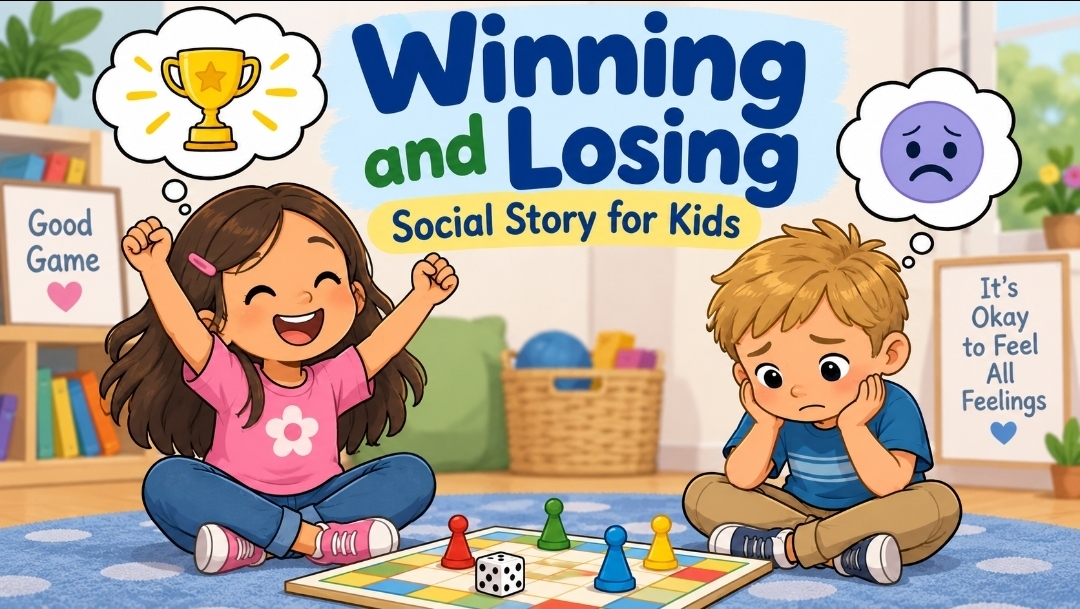
Winning and Losing Social Story
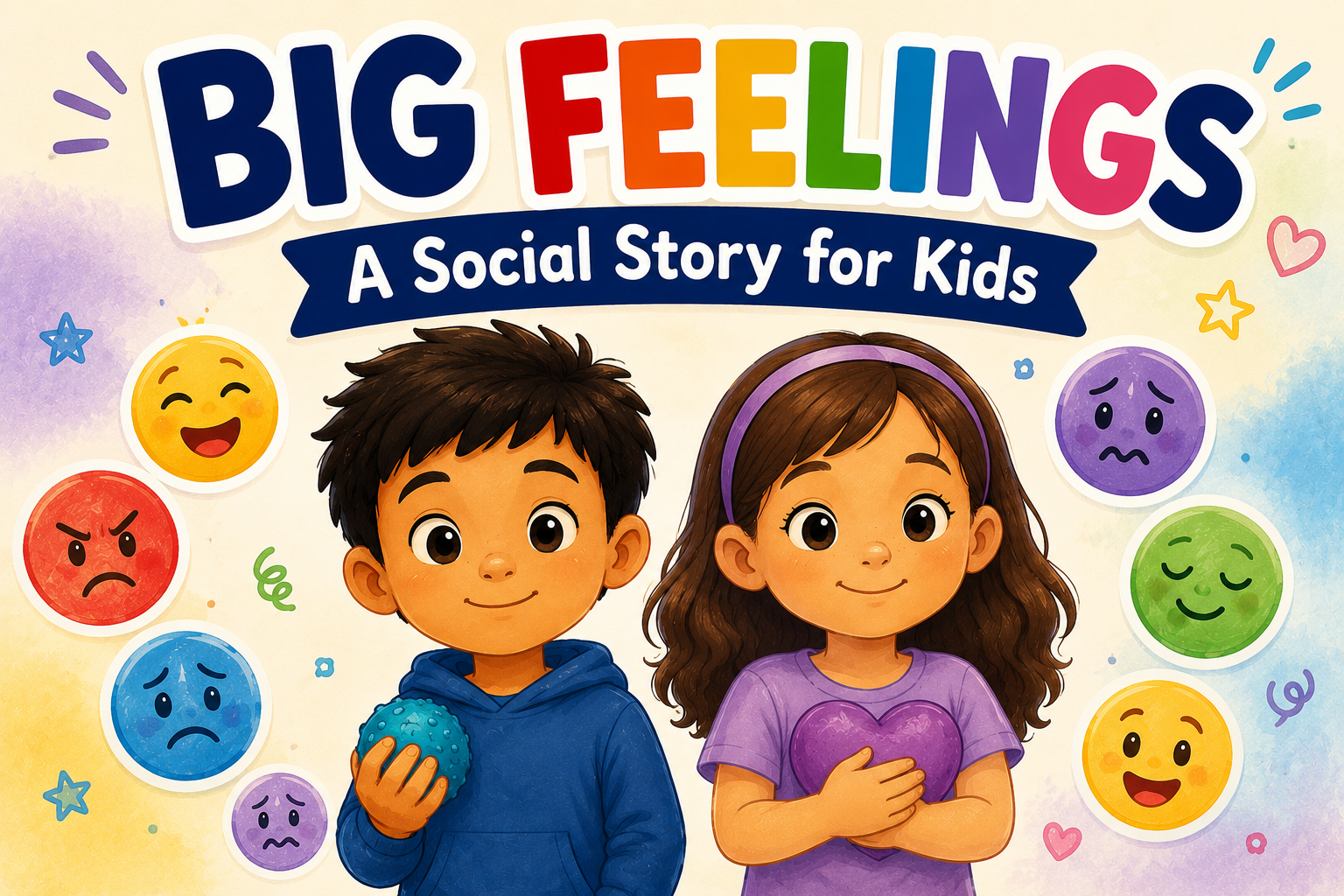
Big Feelings Social Story: Helping Kids Manage Strong Emotions