Big Feelings Social Story: Helping Kids Manage Strong Emotions
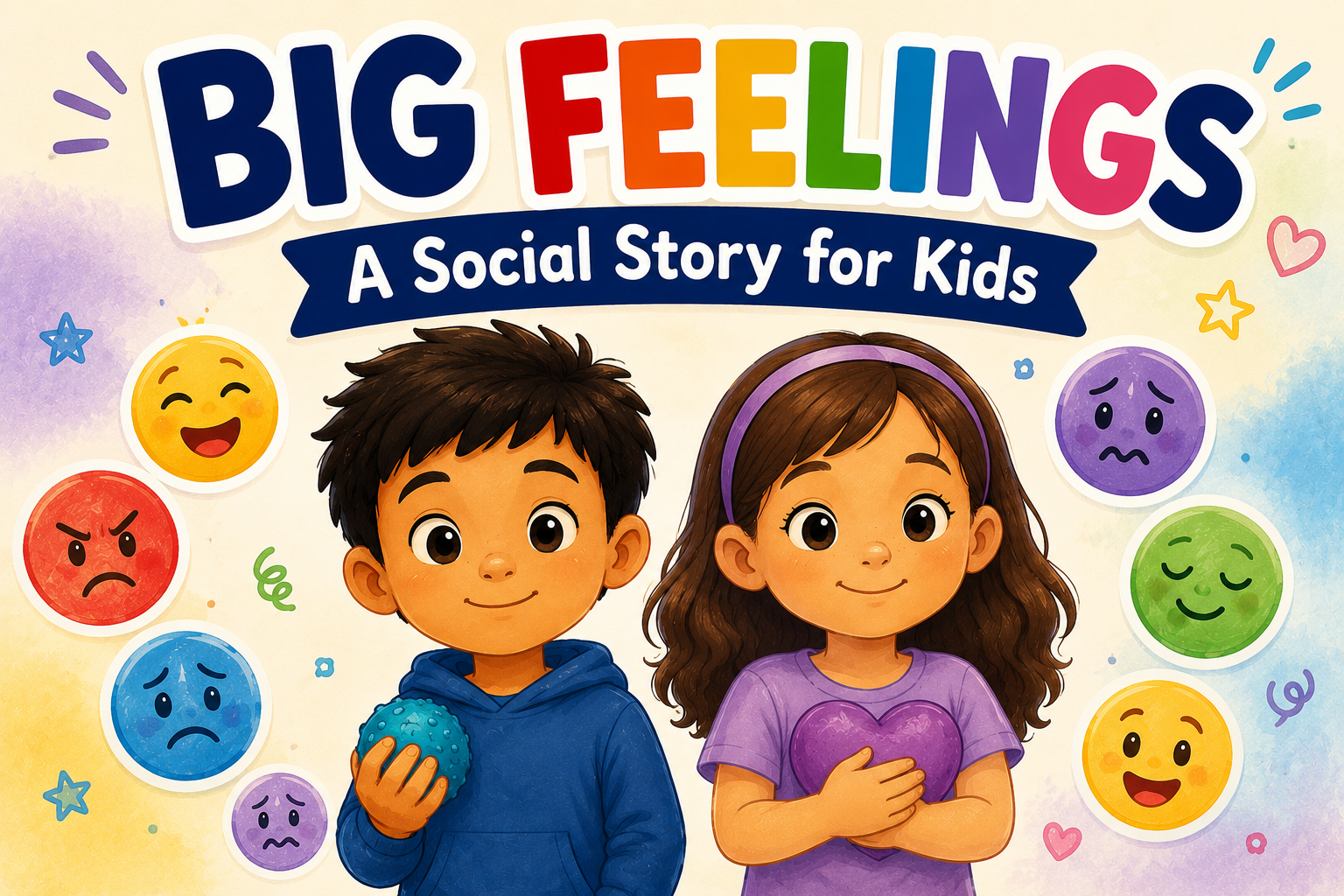
Big feelings can be difficult for children to understand and manage.
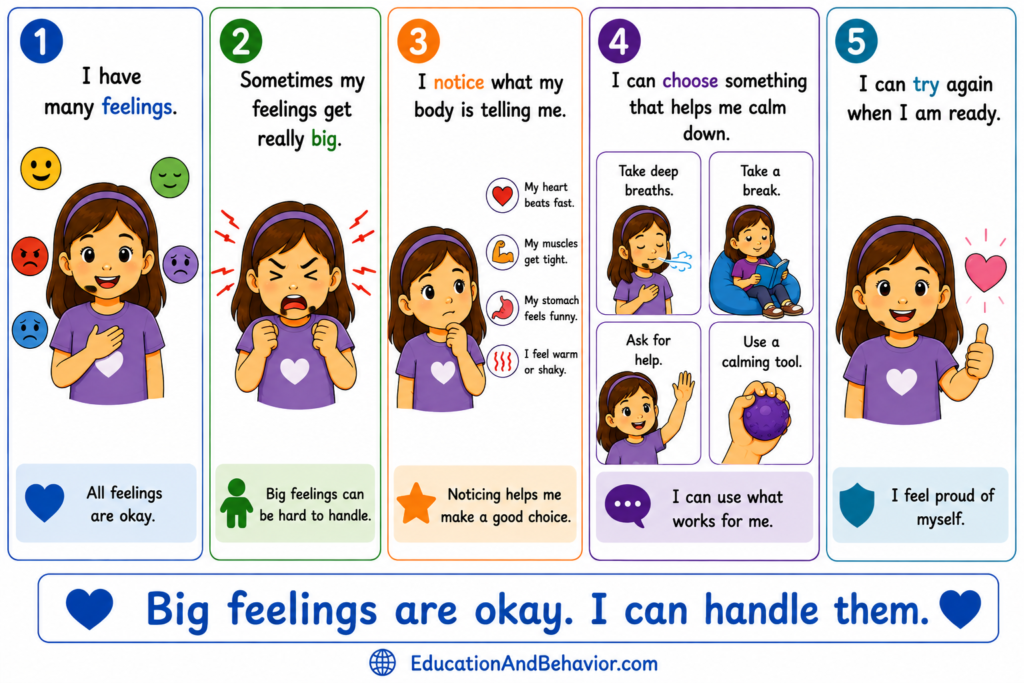
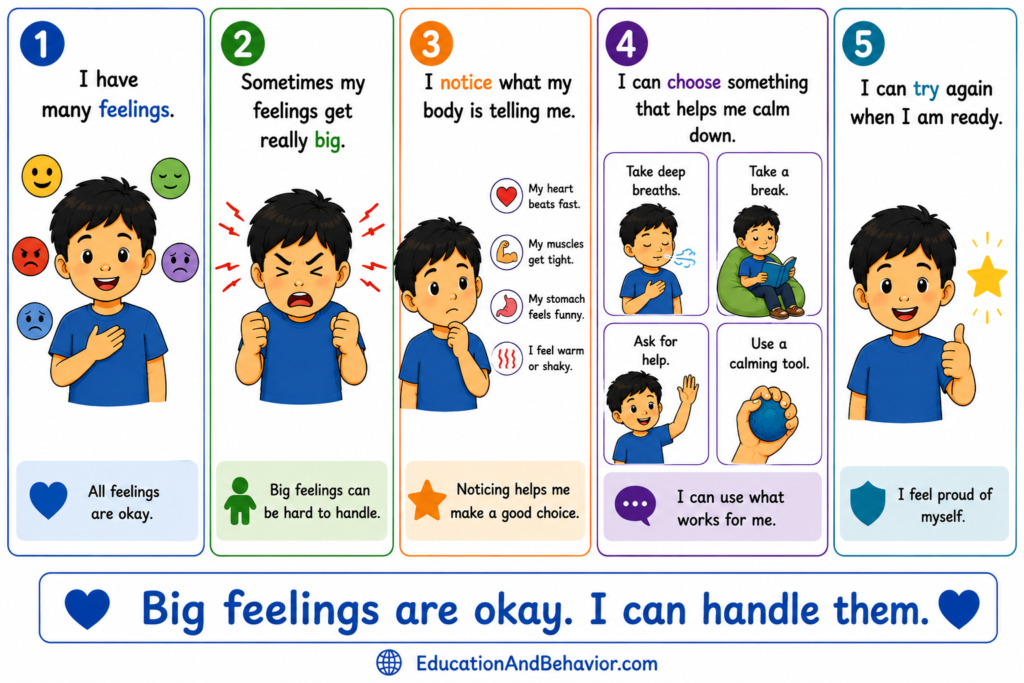
This free visual social story helps children recognize strong emotions, notice how feelings can show up in their bodies, and choose healthy strategies to help themselves calm down.
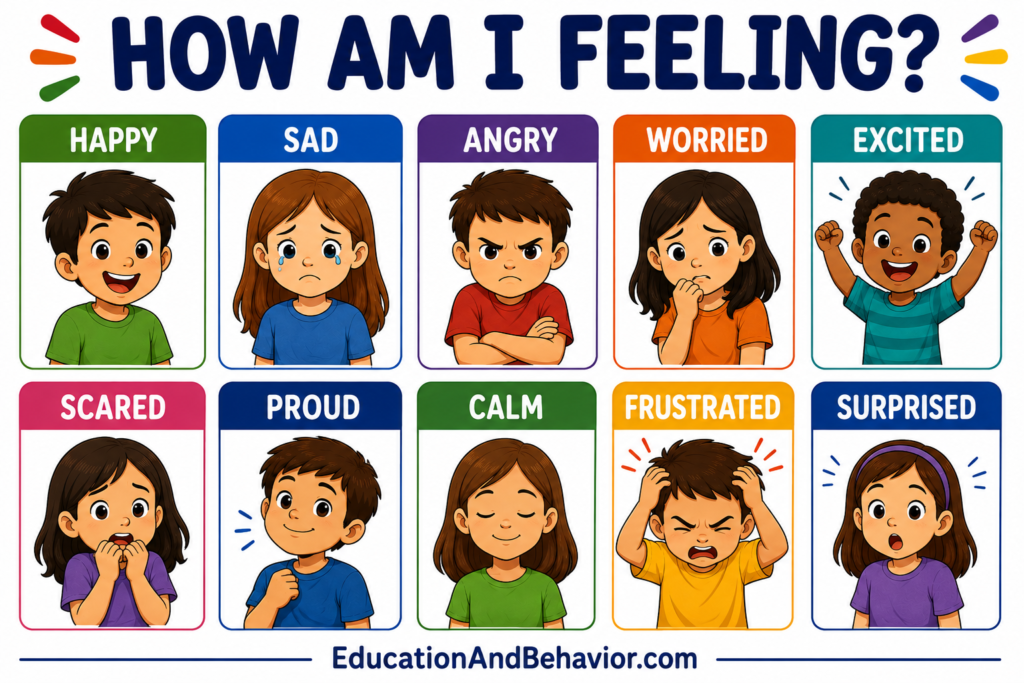
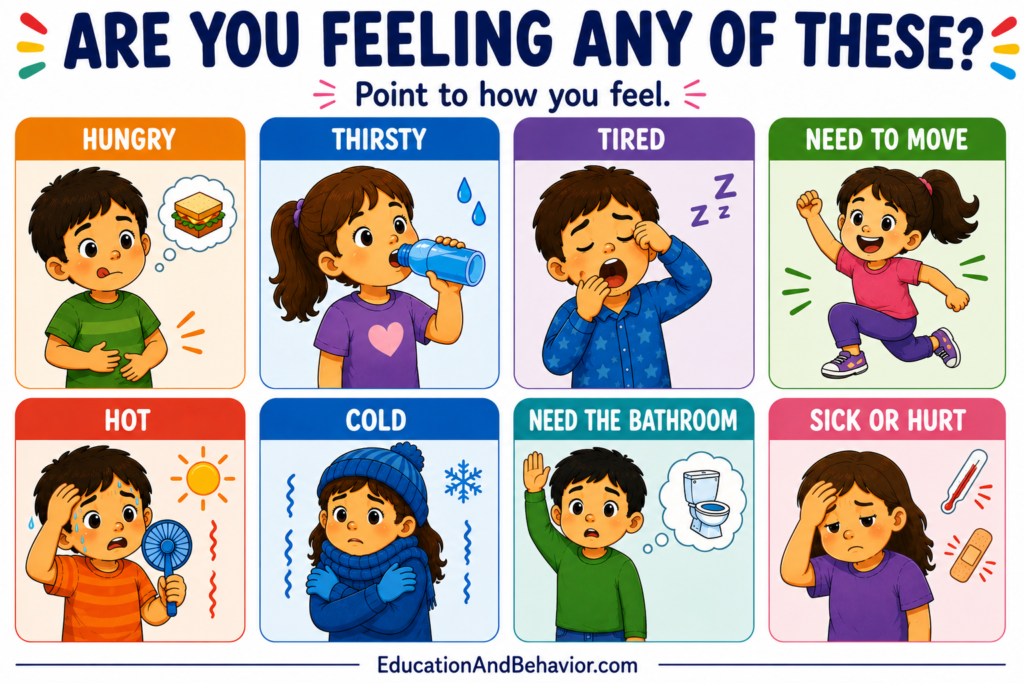
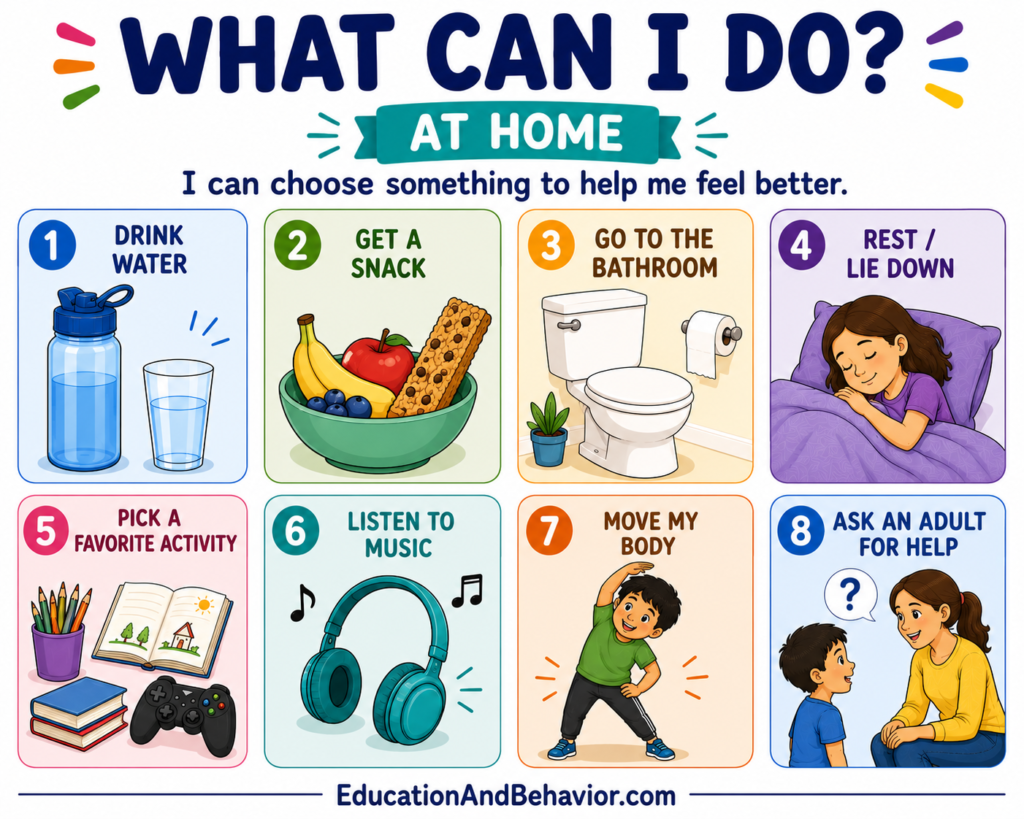
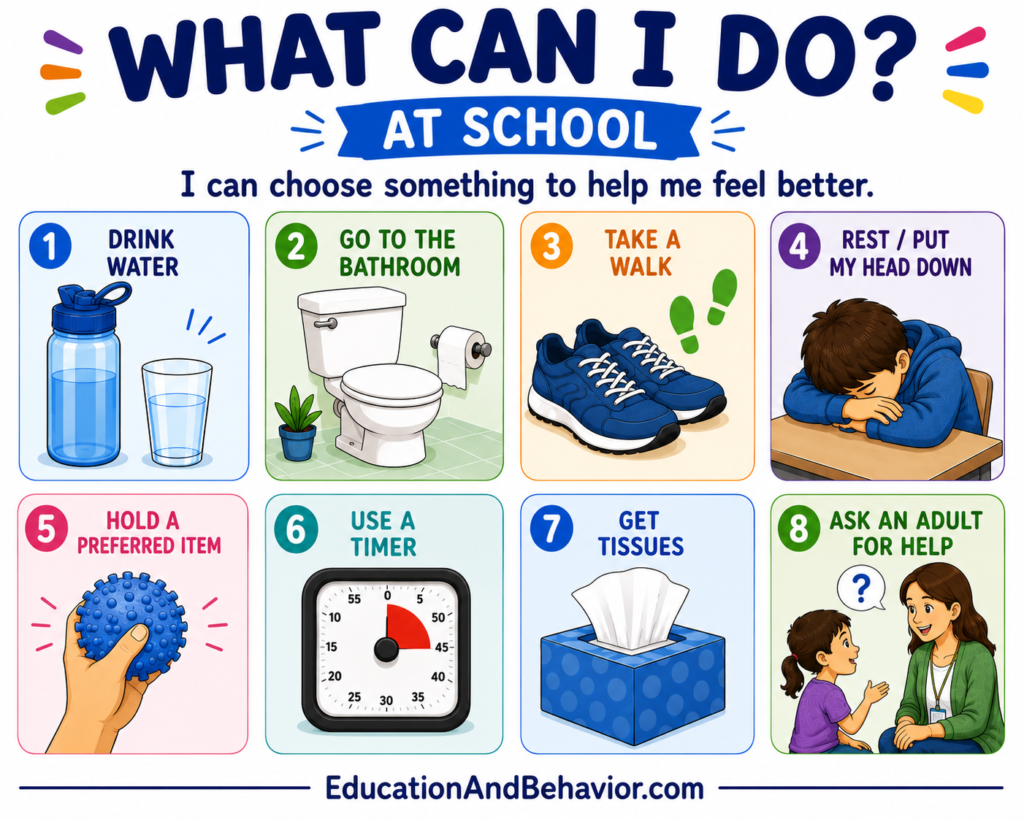
See bottom of article for feelings charts and choice boards.
Children can learn that all feelings are okay, even when those feelings feel overwhelming.
The goal isn’t to stop children from feeling angry, frustrated, worried, or upset.
Instead, we can help them recognize what is happening and learn what they can do next.
The visual teaches children to:
- Recognize different emotions- Notice when feelings are becoming intense
- Identify body signals such as a fast heartbeat, tight muscles, a funny feeling in the stomach, or feeling warm or shaky
- Take deep breaths- Take a break- Ask for help
- Use a calming tool
- Try again when they feel ready
How to Use This Big Feelings Visual
Review the visual when the child is calm rather than introducing it only during a difficult moment.
Talk about each step and help the child identify which calming strategies work best for them.
The visual can be used at home, in classrooms, counseling sessions, special education settings, or behavioral support programs.
It may be especially helpful for children who benefit from clear, concrete, and visual reminders about emotional regulation.
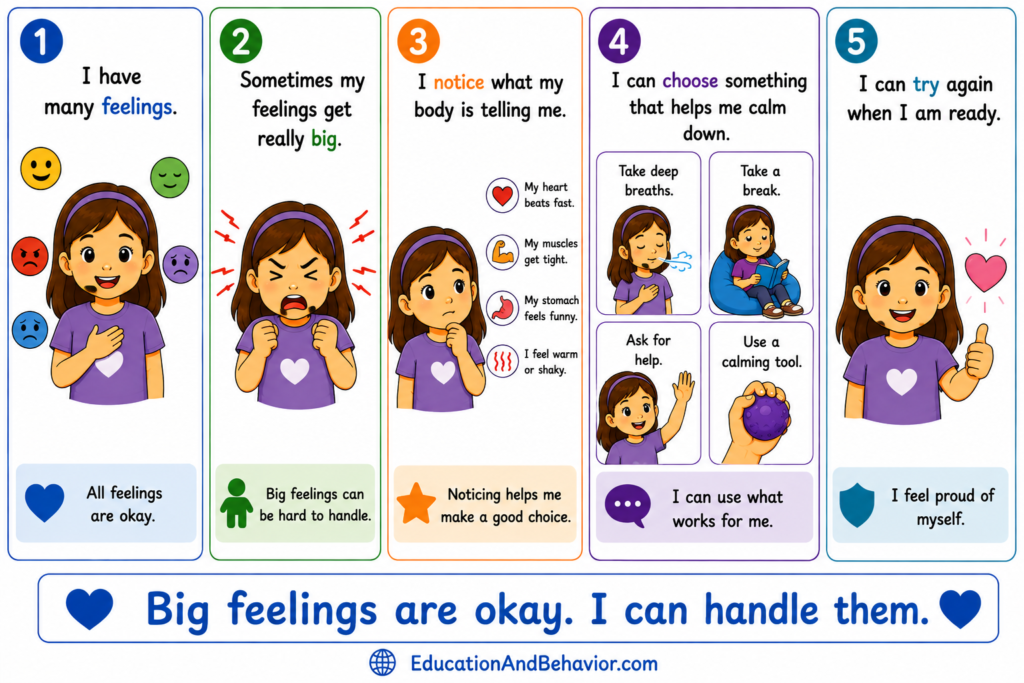
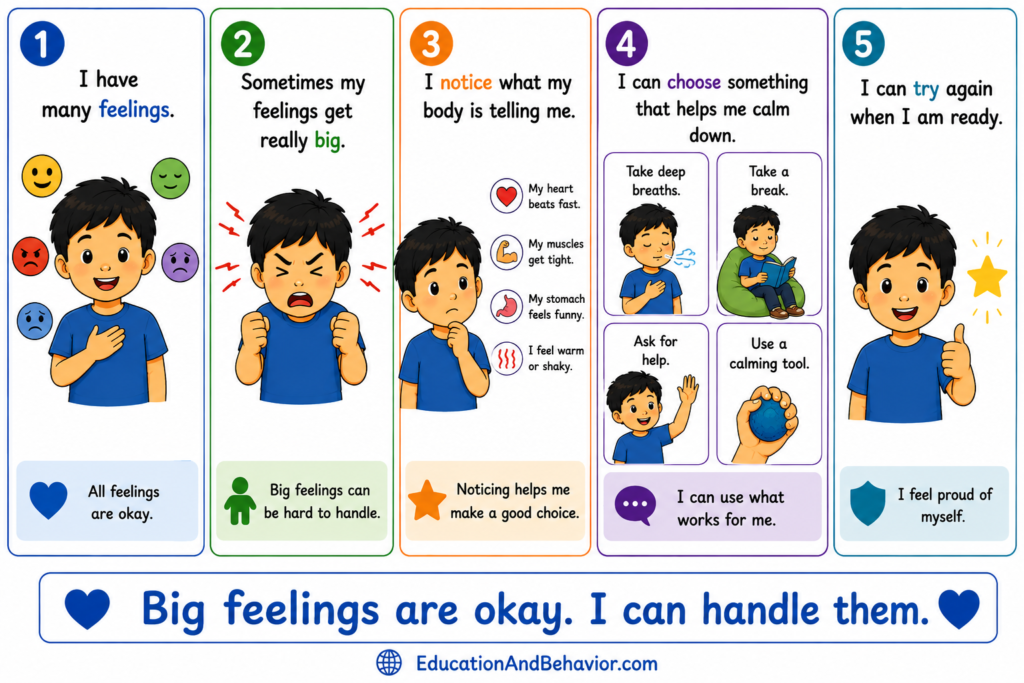
Tip: Every child is different. Help children discover which safe calming strategies work best for their individual needs.
Feelings Charts
Choice Boards
Contact for Materials
Contact me at rachelwise@educationandbehavior.com to make a personalized social story or visual for you!

Rachel Wise is the author and founder of Education and Behavior. Rachel created Education and Behavior in 2014 for adults to have an easy way to access research-based information to support children in the areas of learning, behavior, and social-emotional development. As a survivor of abuse, neglect, and bullying, Rachel slipped through the cracks of her school and community. Education and Behavior hopes to play a role in preventing that from happening to other children. Rachel is also the author of Building Confidence and Improving Behavior in Children: A Guide for Parents and Teachers.
"Children do best when there is consistency within and across settings (i.e., home, school, community). Education and Behavior allows us to maintain that consistency."
- Rachel Wise
- Rachel Wise
- Rachel Wise
- Rachel Wise
- Rachel Wise
- Rachel Wise
- Rachel Wise
- Rachel Wise
- Rachel Wise
- Rachel Wise
- Rachel Wise
- Rachel Wise
- Rachel Wise
- Rachel Wise
- Rachel Wise
- Rachel Wise
- Rachel Wise
- Rachel Wise
- Rachel Wise
- Rachel Wise
- Rachel Wise
- Rachel Wise
- Rachel Wise
- Rachel Wise
- Rachel Wise
- Rachel Wise
- Rachel Wise
- Rachel Wise
You May Also Like
Releated Topics
Can a Question Before Learning Help Kids Remember More?
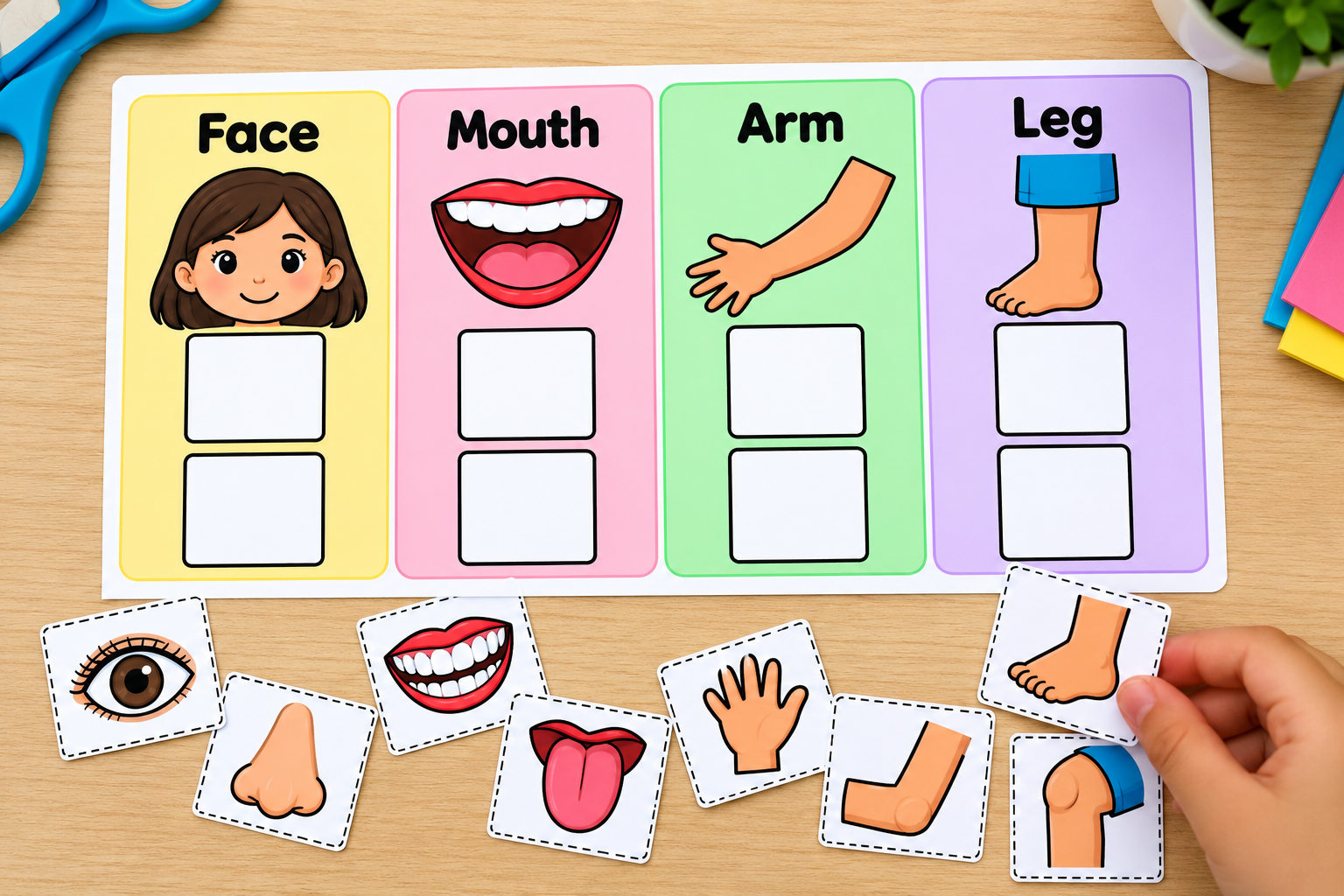
Body Parts Matching Activity
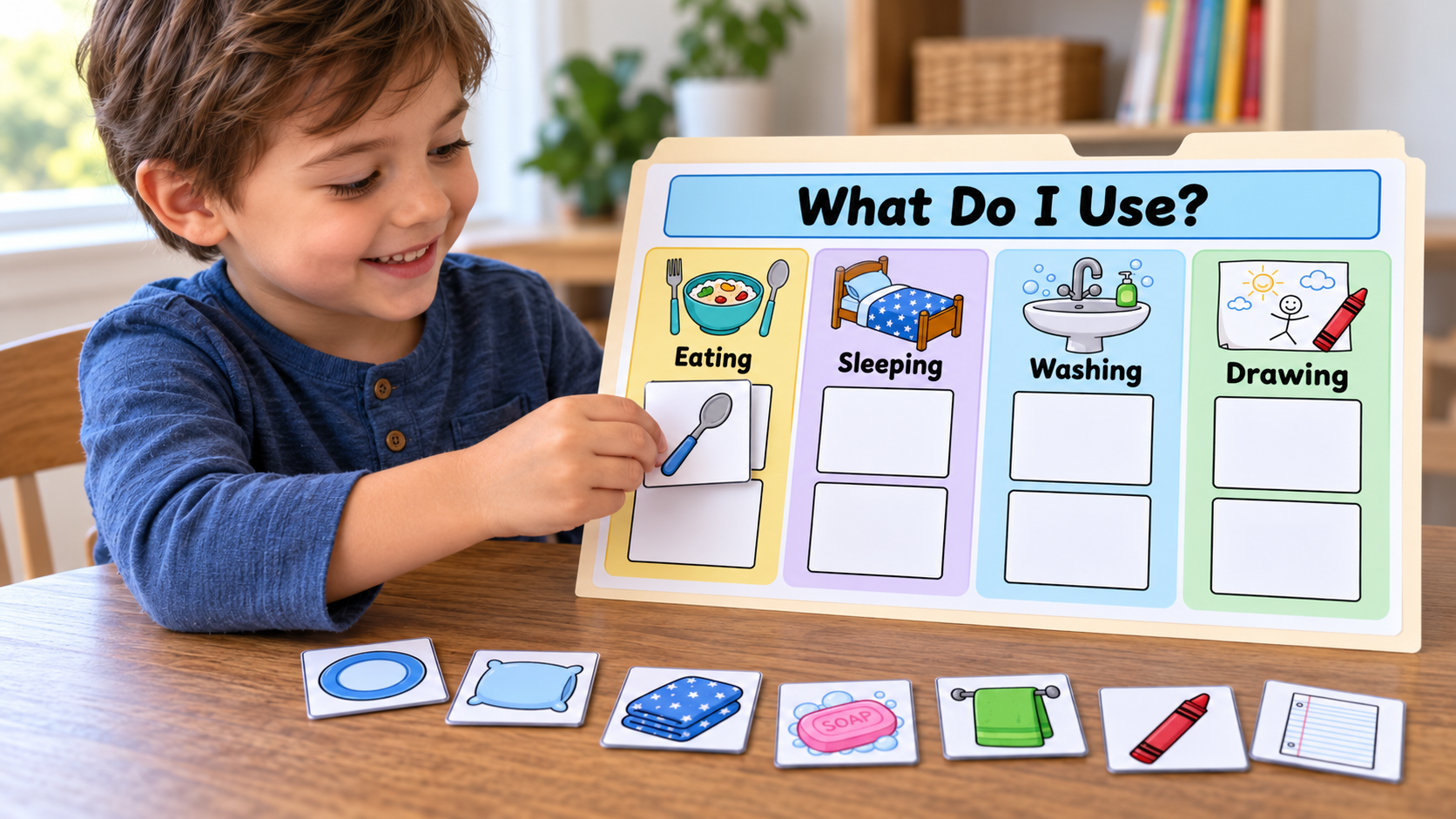
What Do I Use? Everyday Object Hands-On Matching Activity