Winning and Losing Social Story
|
Getting your Trinity Audio player ready...
|
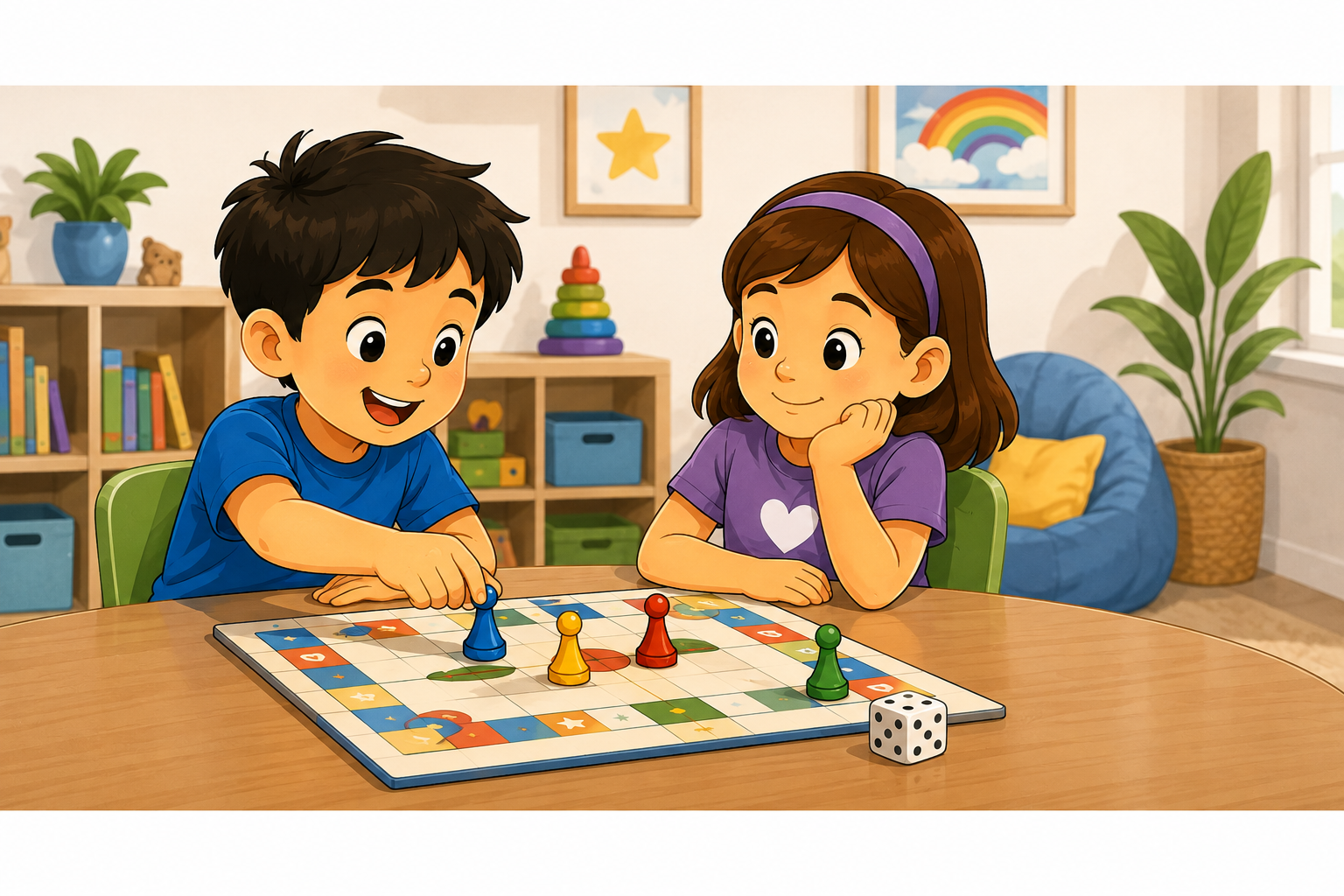
Losing a game can be disappointing. Some children may become frustrated, cry, argue, leave the game, or need time before they are ready to play again.
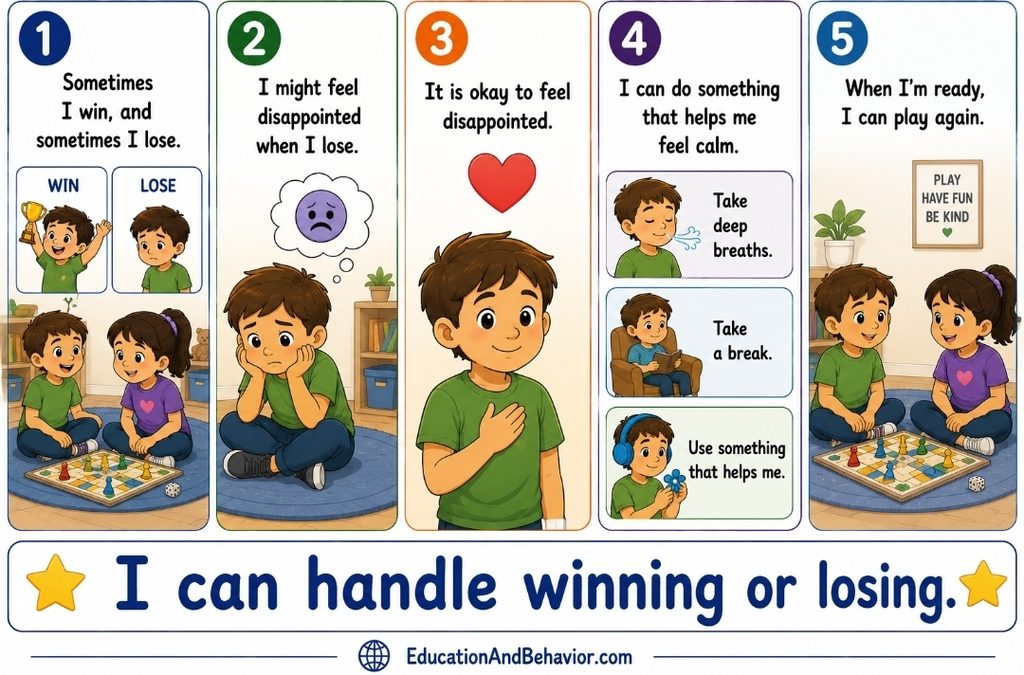
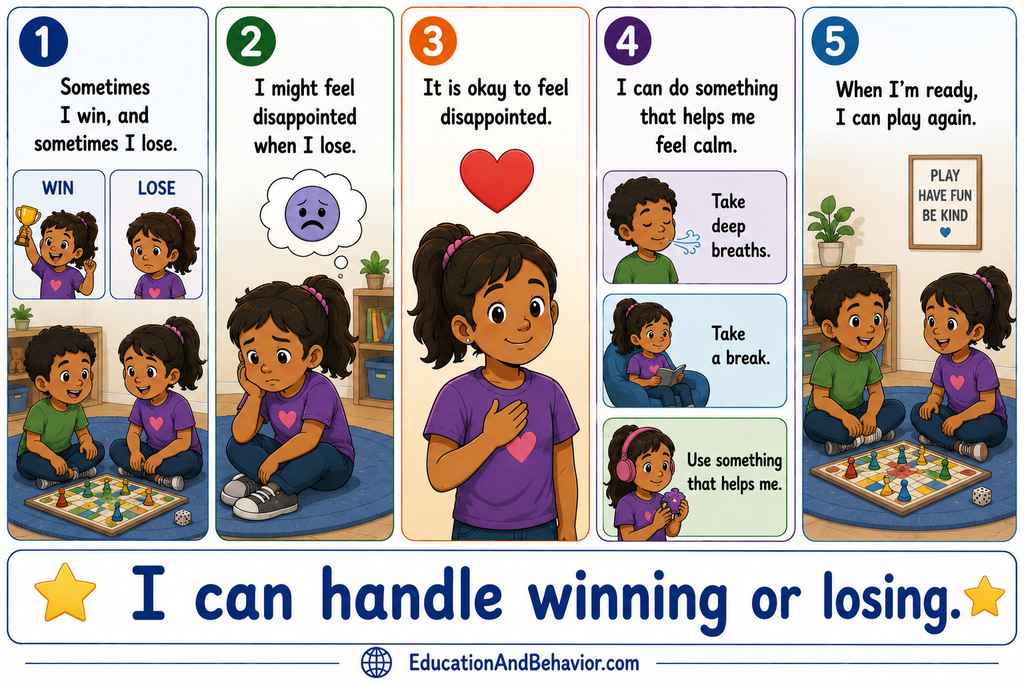
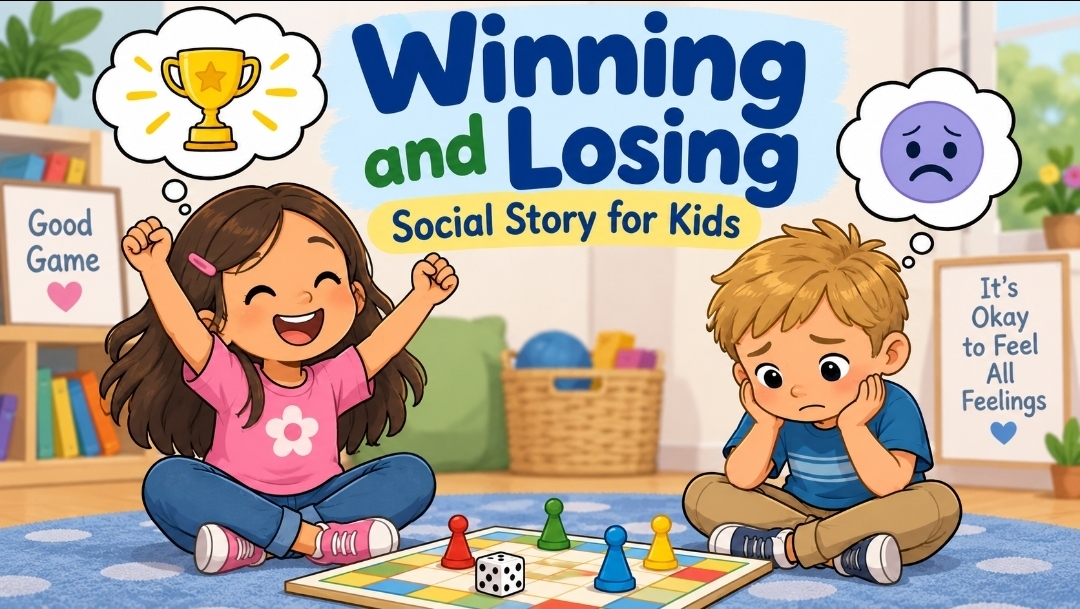
This free winning and losing social story uses simple language and visuals to teach children that sometimes they win and sometimes they lose – and that it is okay to feel disappointed.
What the Story Teaches
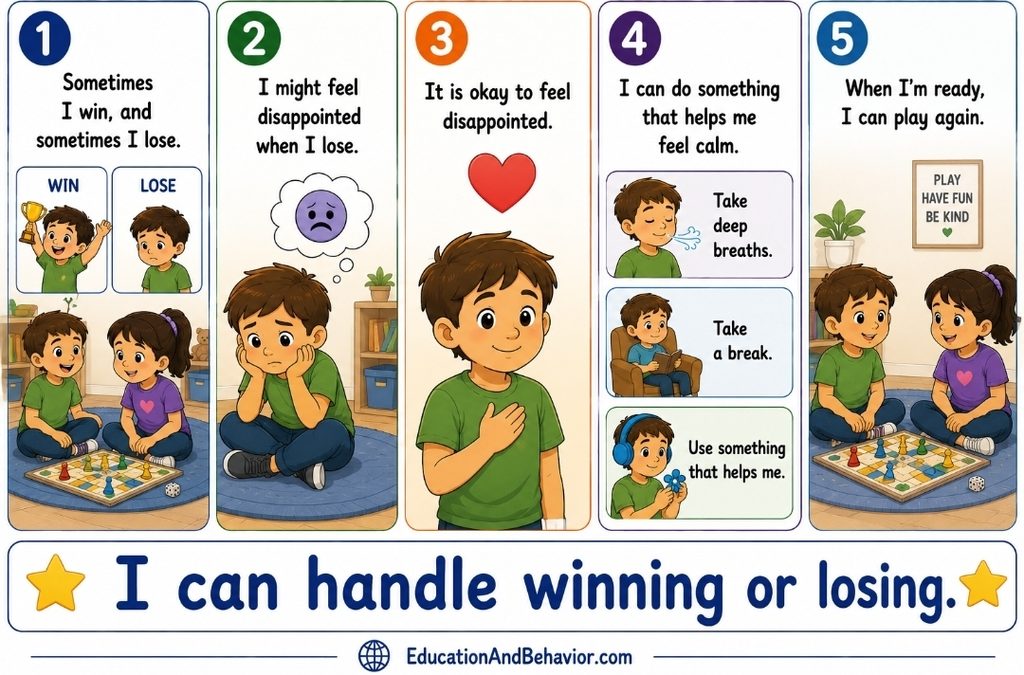
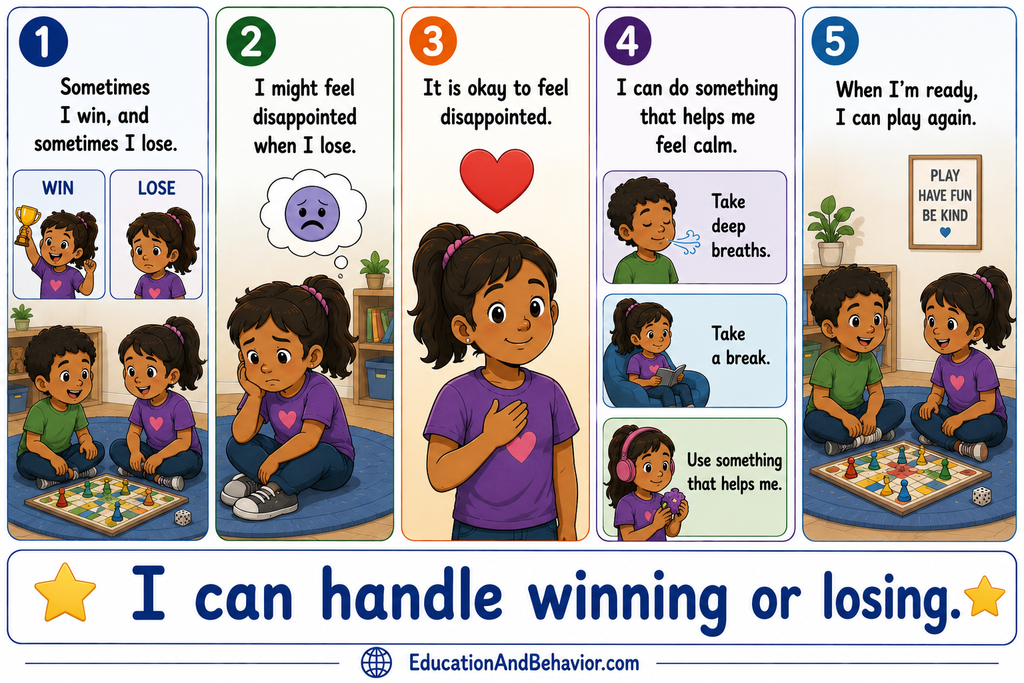
Sometimes I win, and sometimes I lose. I might feel disappointed when I lose.
It is okay to feel disappointed.I can do something that helps me feel calm.
When I’m ready, I can play again.
The story intentionally does not require a child to immediately say “good game,” smile, or appear happy after losing.
Children may need time to regulate before they are ready to communicate or return to play.
Helping a Child Handle Losing
Practice during low-pressure games when the child is calm. Adults can model handling both winning and losing and acknowledge disappointment without criticizing the child’s feelings.
If the child becomes overwhelmed, offer familiar strategies such as taking a break, taking slow breaths, or using a calming or sensory item.
Visual supports can also be useful for children who have difficulty expressing what they need when they are upset.
How to Use the Visual Social Story
You may review the story any time the child is calm. You may also wish to review it before playing a board game, card game, sport, or other competitive activity.
Research-based guidance from the Frank Porter Graham Child Development Institute recommends individualizing social narratives to the child and using visual supports when they improve understanding.
Keep the discussion brief and positive.
The goal isn’t to make a child happy about losing. It’s to help them understand that losing happens, and that they cope with the feeling of being disappointed by the loss.

Rachel Wise is the author and founder of Education and Behavior. Rachel created Education and Behavior in 2014 for adults to have an easy way to access research-based information to support children in the areas of learning, behavior, and social-emotional development. As a survivor of abuse, neglect, and bullying, Rachel slipped through the cracks of her school and community. Education and Behavior hopes to play a role in preventing that from happening to other children. Rachel is also the author of Building Confidence and Improving Behavior in Children: A Guide for Parents and Teachers.
"Children do best when there is consistency within and across settings (i.e., home, school, community). Education and Behavior allows us to maintain that consistency."
- Rachel Wise
- Rachel Wise
- Rachel Wise
- Rachel Wise
- Rachel Wise
- Rachel Wise
- Rachel Wise
- Rachel Wise
- Rachel Wise
- Rachel Wise
- Rachel Wise
- Rachel Wise
- Rachel Wise
- Rachel Wise
- Rachel Wise
- Rachel Wise
- Rachel Wise
- Rachel Wise
- Rachel Wise
- Rachel Wise
- Rachel Wise
- Rachel Wise
- Rachel Wise
- Rachel Wise
- Rachel Wise
- Rachel Wise
You May Also Like
Releated Topics
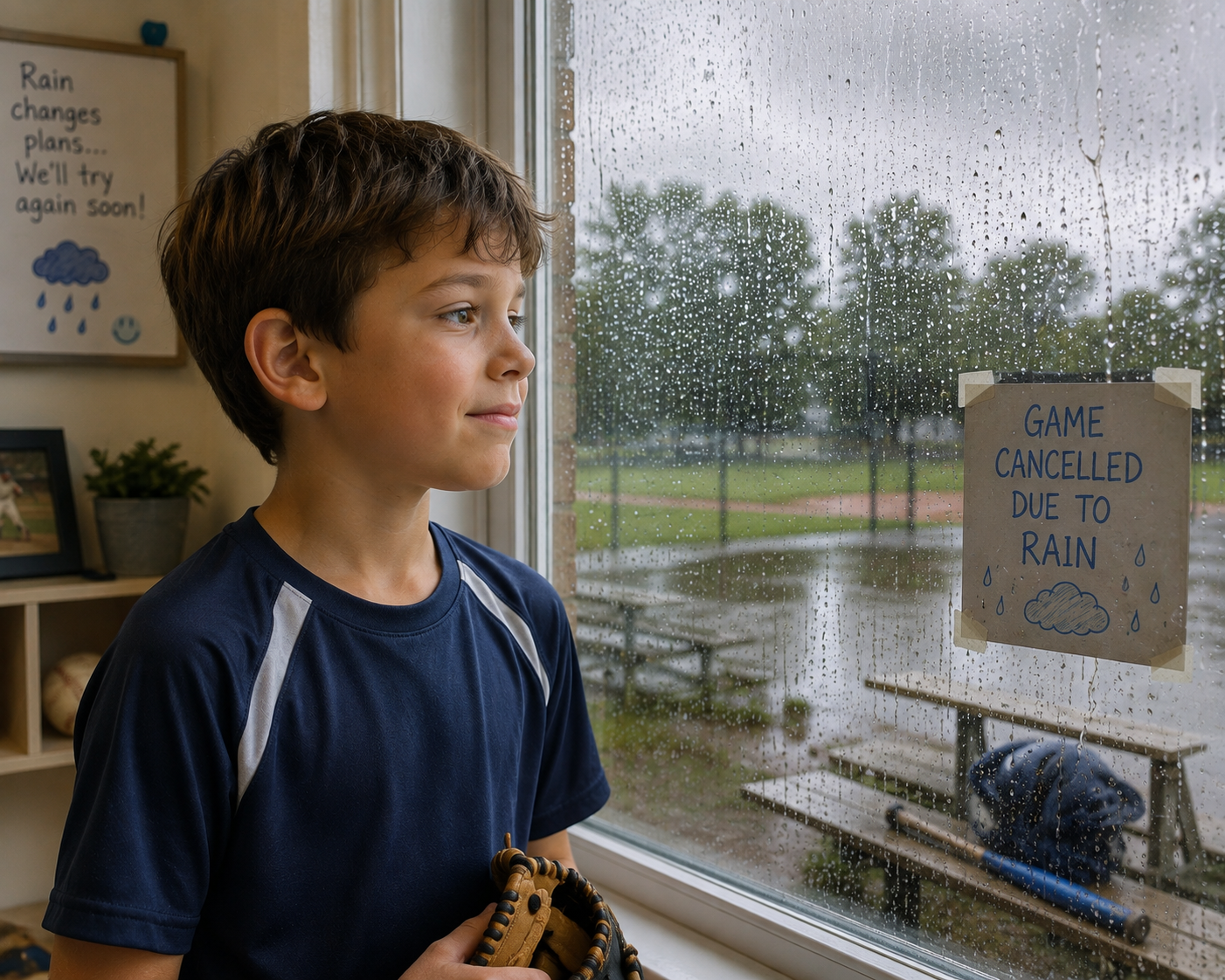
When Plans Change: A Social Story
Big Feelings Social Story: Helping Kids Manage Strong Emotions