Brooklyn Invests $9.25 Million in Sensory Rooms to Help Students Get Ready to Learn
A major investment in Brooklyn schools is recognizing something educators sometimes overlook:
before students can focus on learning, they need to be regulated and ready to learn.In April 2026, Brooklyn Borough President Antonio Reynoso announced a $9.25 million investment to build dozens of sensory rooms at District 75 sites across Brooklyn.
The funding is intended to ultimately provide a sensory room at every elementary-aged District 75 site in the borough, beginning with 18 schools.
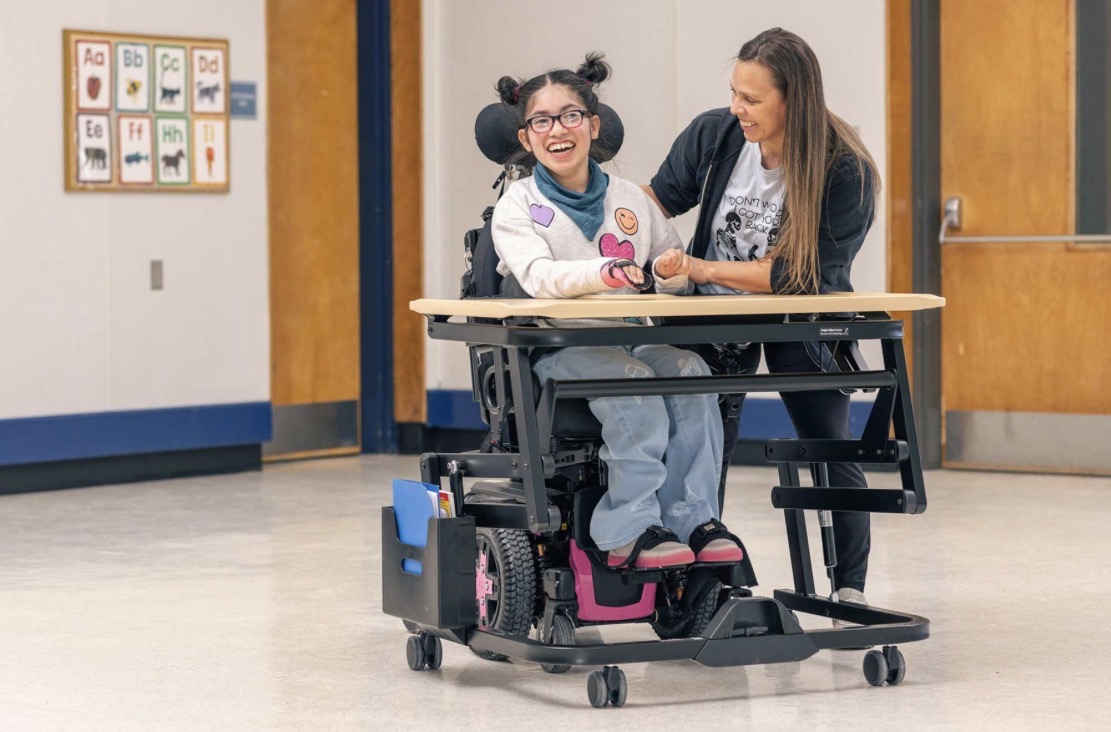
District 75 serves students who need highly specialized educational support, including students with autism, significant cognitive delays, sensory impairments, emotional disabilities, and multiple disabilities.
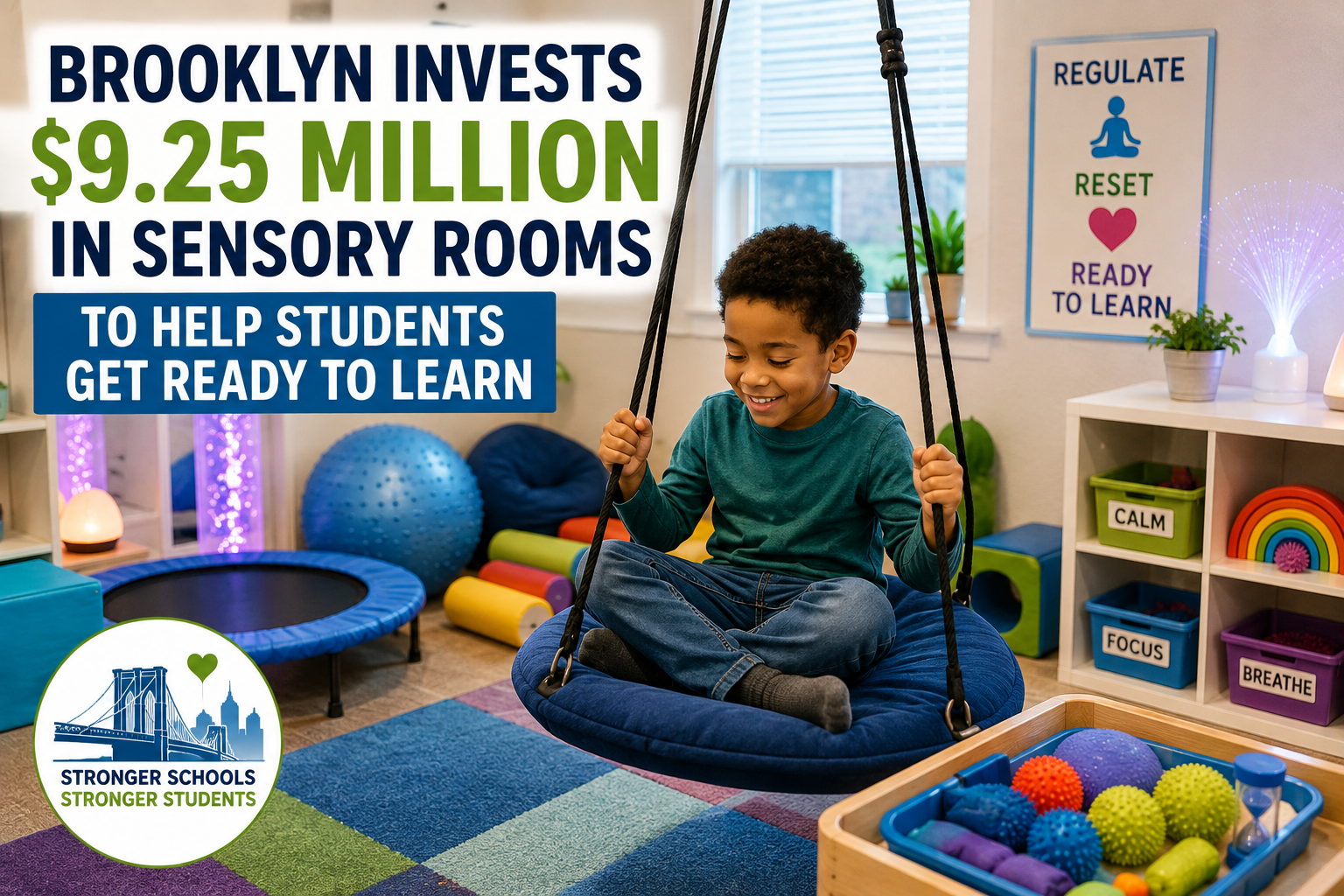
What Is a Sensory Room? A sensory room is a specially designed space where students can engage in activities that help them regulate their bodies and sensory systems.
Depending on the needs of the students, these spaces can include movement equipment, calming lighting and visuals, interactive materials, and other sensory tools.
Brooklyn schools will have flexibility in designing their rooms so the spaces can be adapted to the students they serve.
These aren’t simply rooms where children are sent after something goes wrong.
Ideally, sensory supports can be used proactively—giving a student an opportunity to move, regulate, reset, and then return to learning.
Why Regulation Matters Before Academics
Think about what some children experience before the school day even begins.
A student may spend a long period riding a crowded school bus while navigating noise, traffic, unexpected stops, other students, and constant sensory stimulation. A child who is particularly sensitive to sensory input may arrive at school already overwhelmed.
Expecting that student to immediately sit quietly, attend to a lesson, and complete academic work may not address what the student needs at that moment.
Sometimes the first step toward learning isn’t another direction or consequence.
It is helping the student become regulated enough to learn.
Sensory rooms can provide a structured place for students to do that.
From Reacting to Behavior to Preventing Overload
This investment also represents an important shift in how schools can think about challenging behavior.
Traditional approaches may wait until a student becomes overwhelmed, leaves the classroom, refuses work, or has a behavioral escalation before providing additional support.
A more proactive approach asks:
What does this student need in order to participate successfully in the first place?
That could mean a movement break before a difficult lesson, access to sensory materials, flexible seating, a predictable visual schedule, or several minutes in a sensory space before returning to class.
Brooklyn officials describe sensory rooms as spaces that can help students regulate, refocus, and engage in learning.
District 75 Superintendent Dr. Keisha McCoy emphasized that sensory supports should not be viewed as extras, but as supports that can help students manage stress, develop independence, and participate more fully at school.
The Bigger Lesson for Schools
Not every school has millions of dollars available to build specialized sensory rooms; but the principle behind Brooklyn’s investment can be applied almost anywhere.
Schools can build opportunities for regulation into the school day through movement breaks, sensory tools, flexible seating, hands-on learning, quiet spaces, visual schedules, and predictable routines.
The goal isn’t to remove expectations for students. It is to create an environment in which students have a better chance of meeting those expectations.
For children with autism, ADHD, sensory-processing differences, and other disabilities, the ability to regulate attention, movement, emotions, and sensory input can directly affect their ability to participate in instruction.
When schools recognize those needs and design environments around them, sensory support becomes more than a behavioral strategy.
It becomes part of providing meaningful access to education.
Learn more: Brooklyn Borough President’s official announcement of the $9.25 investment into sensory rooms.

Rachel Wise is the author and founder of Education and Behavior. Rachel created Education and Behavior in 2014 for adults to have an easy way to access research-based information to support children in the areas of learning, behavior, and social-emotional development. As a survivor of abuse, neglect, and bullying, Rachel slipped through the cracks of her school and community. Education and Behavior hopes to play a role in preventing that from happening to other children. Rachel is also the author of Building Confidence and Improving Behavior in Children: A Guide for Parents and Teachers.
"Children do best when there is consistency within and across settings (i.e., home, school, community). Education and Behavior allows us to maintain that consistency."
Releated Topics