5 Research-Based Teaching Methods Infographic

|
Getting your Trinity Audio player ready...
|
5 Research-Based Teaching Methods
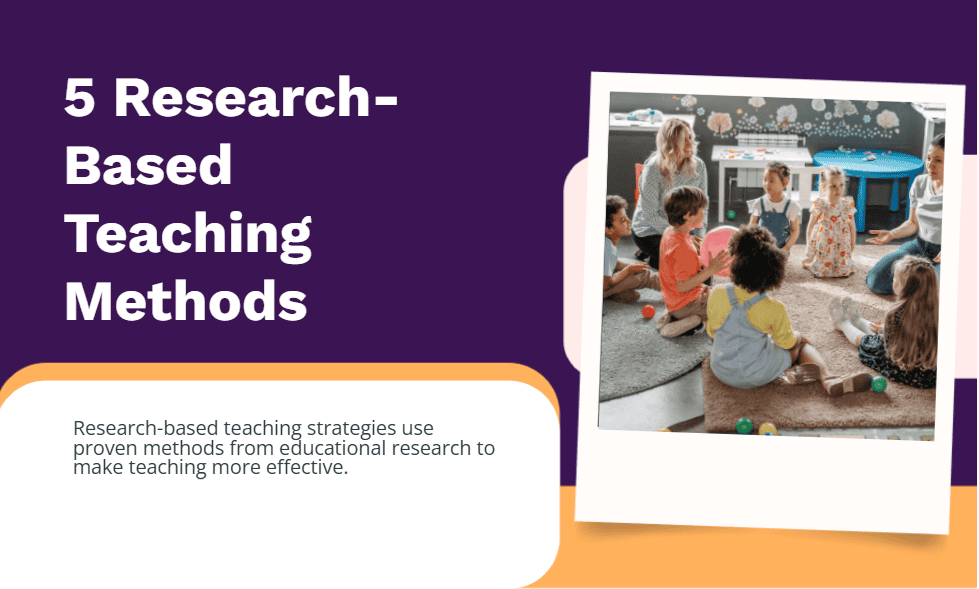
Research-based teaching strategies are methods supported by educational research to improve teaching effectiveness. These include:
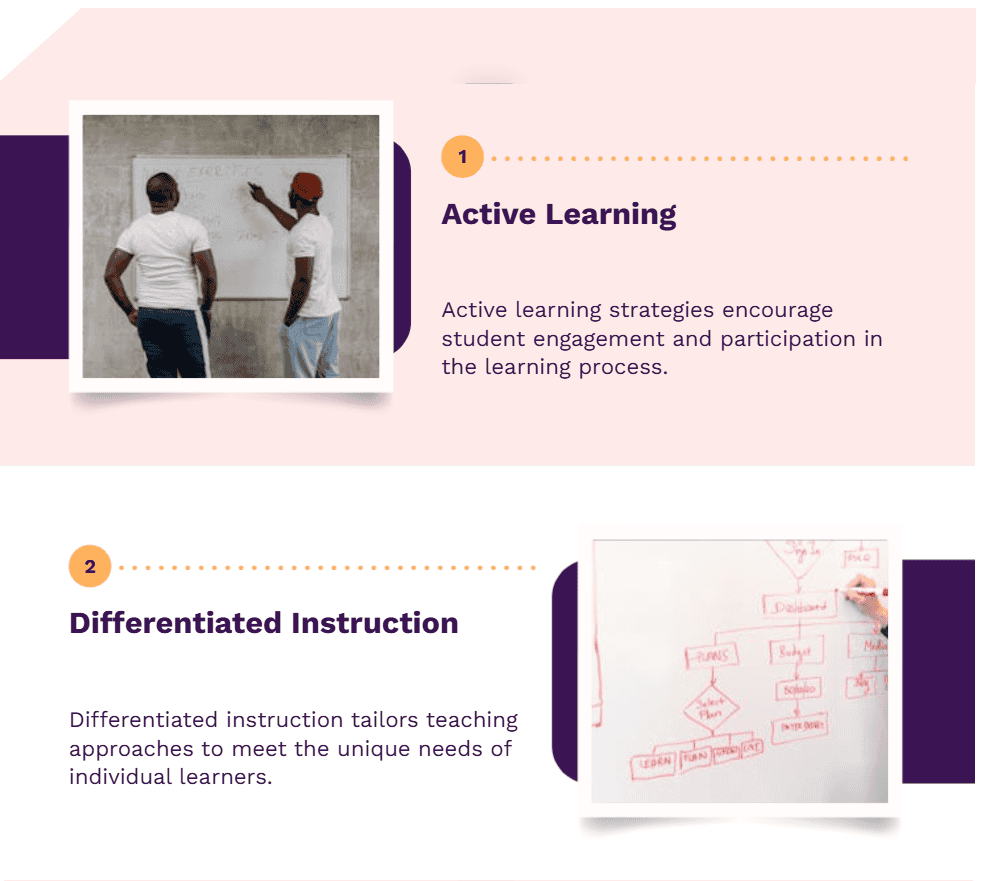
- Active Learning: Encouraging students to actively participate in their learning through activities like discussions, problem-solving, and group work.
- Differentiated Instruction: Adjusting teaching methods to meet the diverse needs of students, ensuring all learners can succeed.
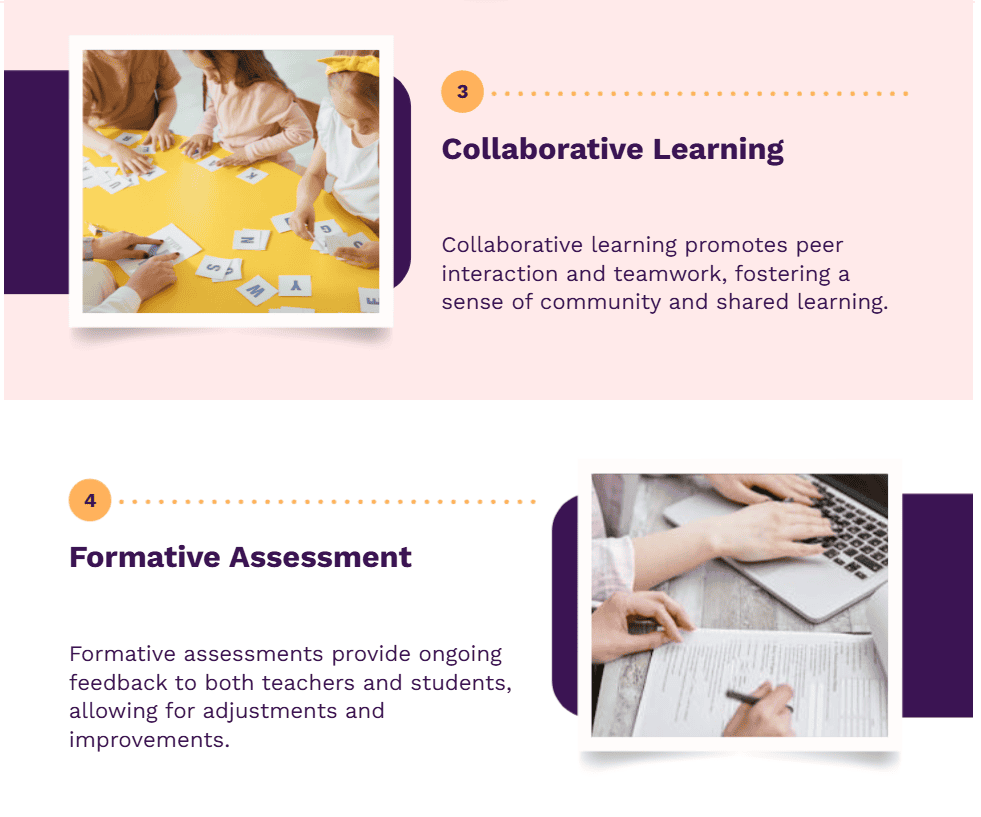
- Collaborative Learning: Fostering teamwork and peer interaction to create a supportive learning community.
- Formative Assessment: Offering regular feedback to students and teachers, helping identify areas for improvement and guide instruction.
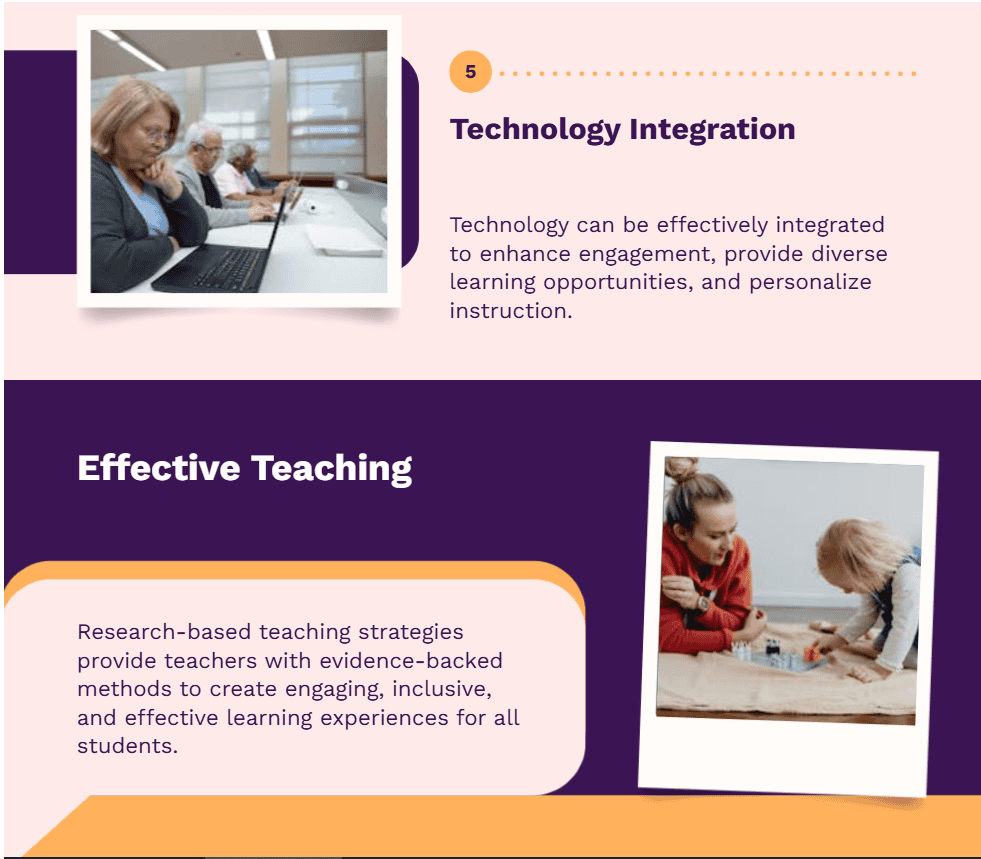
- Technology Integration: Using technology to increase engagement, provide diverse learning opportunities, and customize instruction for different learners.
These strategies help teachers create engaging and effective learning experiences that are inclusive and cater to the needs of all students.
References

Rachel Wise is the author and founder of Education and Behavior. Rachel created Education and Behavior in 2014 for adults to have an easy way to access research-based information to support children in the areas of learning, behavior, and social-emotional development. As a survivor of abuse, neglect, and bullying, Rachel slipped through the cracks of her school and community. Education and Behavior hopes to play a role in preventing that from happening to other children. Rachel is also the author of Building Confidence and Improving Behavior in Children: A Guide for Parents and Teachers.
"Children do best when there is consistency within and across settings (i.e., home, school, community). Education and Behavior allows us to maintain that consistency."
- Rachel Wise
- Rachel Wise
- Rachel Wise
- Rachel Wise
- Rachel Wise
- Rachel Wise
- Rachel Wise
- Rachel Wise
- Rachel Wise
- Rachel Wise
- Rachel Wise
- Rachel Wise
- Rachel Wise
- Rachel Wise
- Rachel Wise
- Rachel Wise
- Rachel Wise
- Rachel Wise
- Rachel Wise
- Rachel Wise
- Rachel Wise
- Rachel Wise
- Rachel Wise
- Rachel Wise
- Rachel Wise
- Rachel Wise
- Rachel Wise
- Rachel Wise
You May Also Like
Releated Topics
American Schools? What are We Going to o Now?
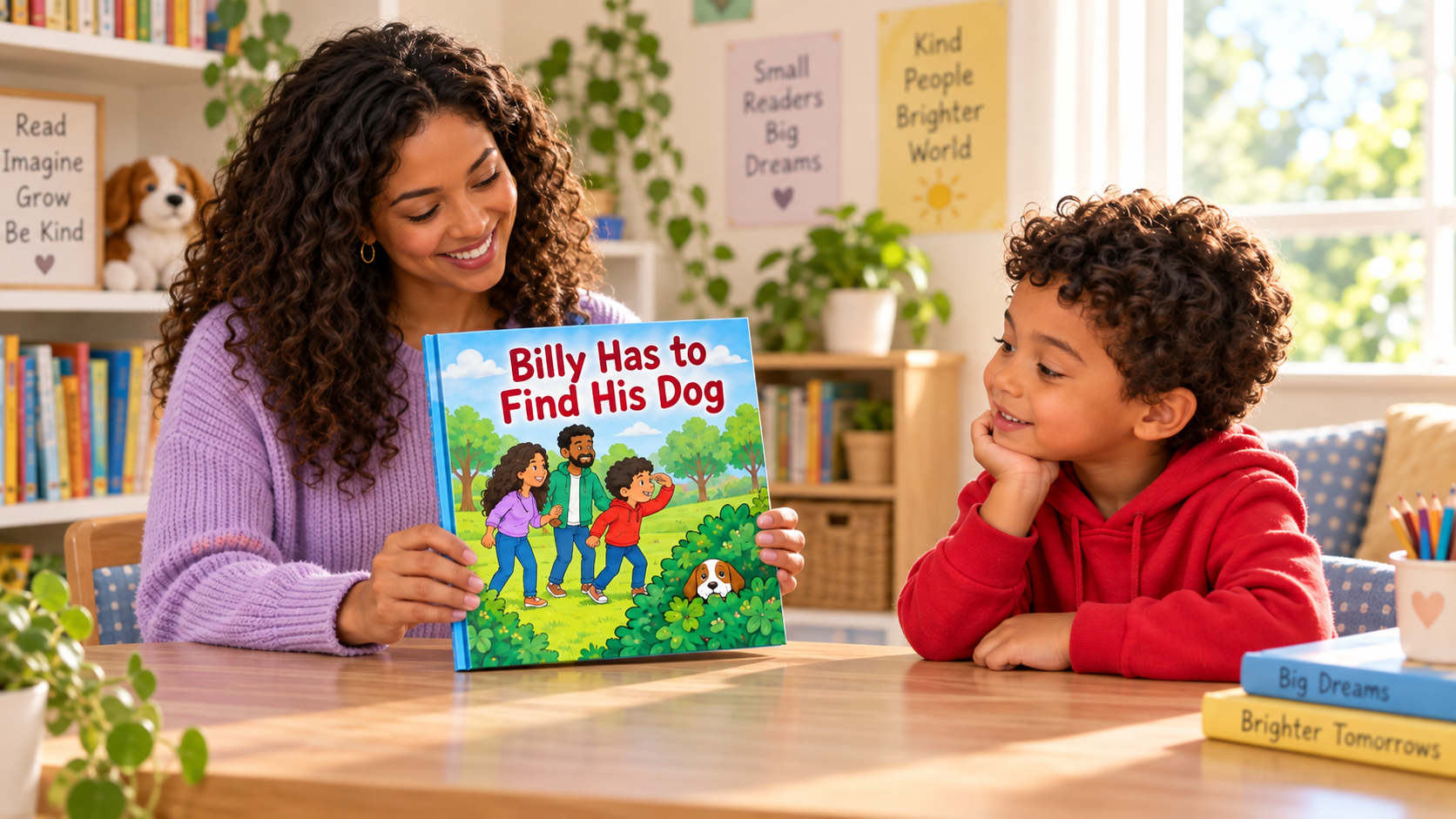
Can a Question Before Learning Help Kids Remember More?
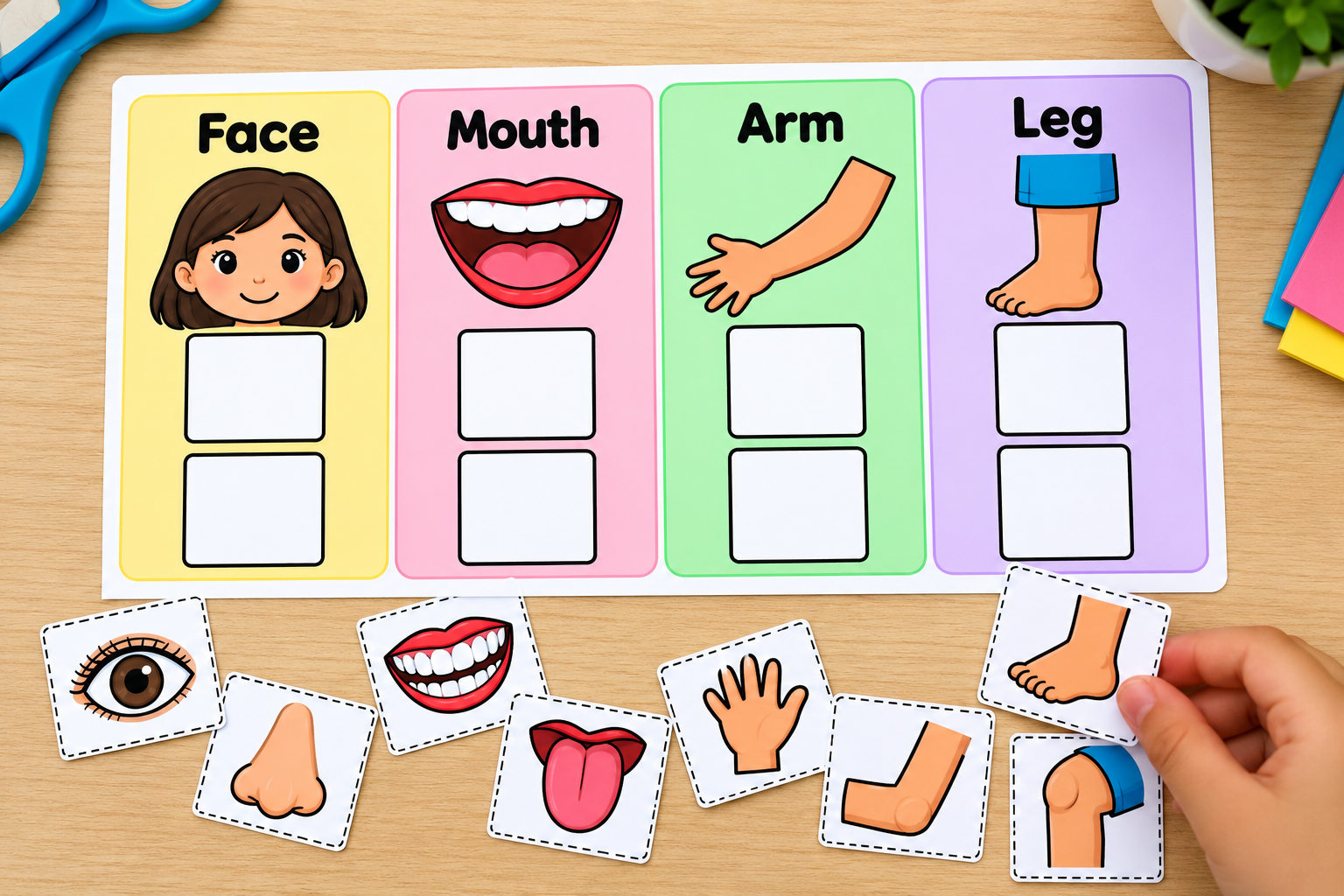
Body Parts Matching Activity
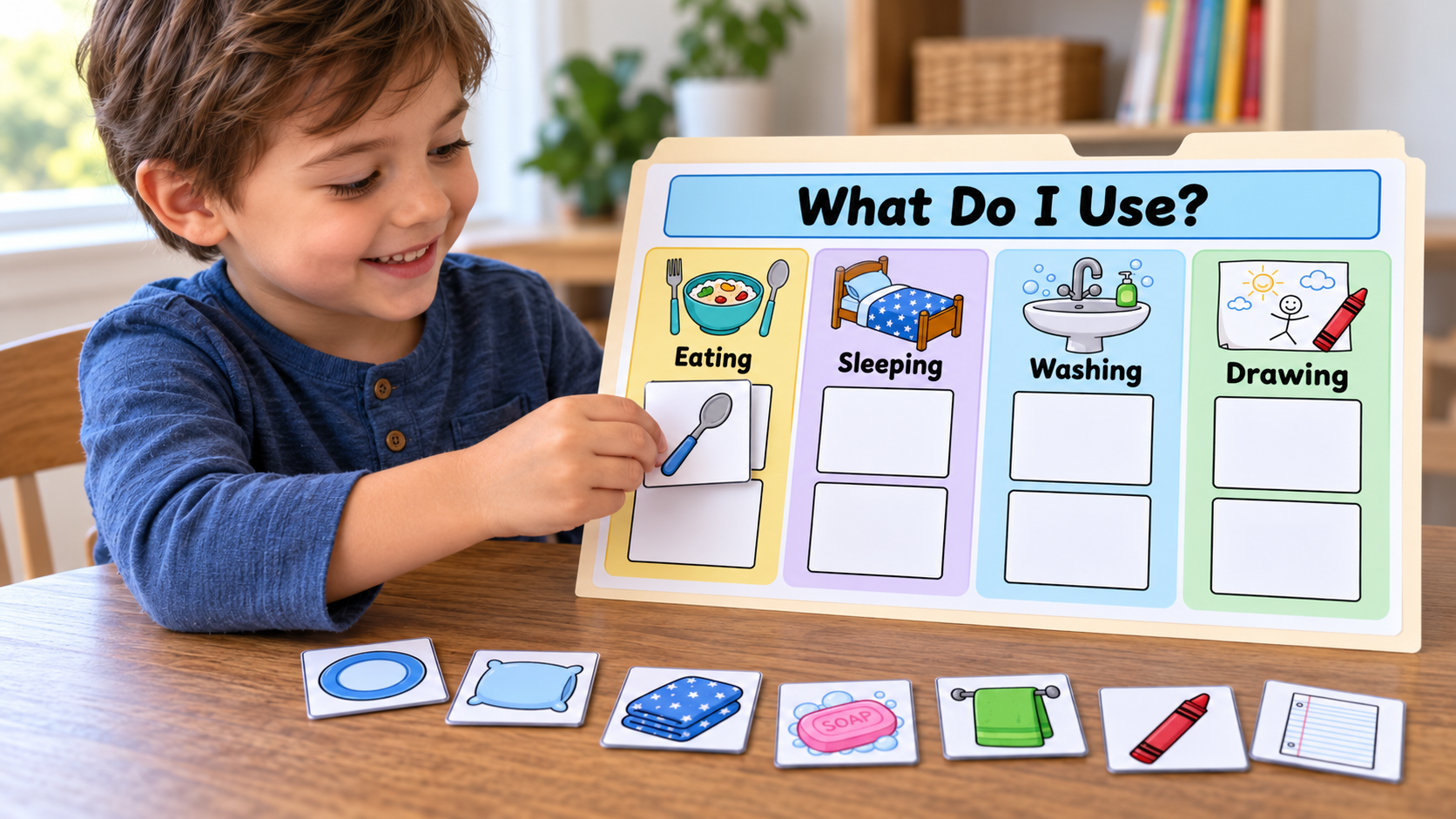
What Do I Use? Everyday Object Hands-On Matching Activity