5 to 1 Ratio Classroom Management Strategy to Improve Student Behavior

|
Getting your Trinity Audio player ready...
|
Classroom management can feel overwhelming, especially when student behavior takes attention away from teaching and learning. Fortunately, research highlights a simple yet powerful approach that can make a big difference: the 5-to-1 ratio.
By aiming for five positive interactions for every one corrective interaction, teachers can reduce classroom difficulties while also building a learning environment where students feel valued, motivated, and engaged.
In this guide, you’ll learn:
- What the 5-to-1 ratio is
- Why it works
- How to apply it in your classroom
- Practical examples you can start using right away
Why Does the 5-to-1 Ratio Matter?
This strategy fosters a sense of connection and emotional safety in the classroom. When students experience a higher frequency of positive interactions, they are more likely to feel valued and understood. These feelings are key ingredients for meaningful engagement and cooperation.
In addition, by building a classroom environment grounded in positive communication, teachers can reduce disruptions and increase students’ willingness to participate in learning. A supportive atmosphere helps students develop a stronger sense of belonging. As a result, motivation improves, behavior strengthens, and students show a deeper investment in their education.
Looking for More Practical Strategies to Improve Student Behavior?
The ODD Toolkit is a downloadable resource packed with research-based strategies to reduce defiance and support positive behavior—perfect for use alongside the 5-to-1 ratio approach.
- ✔️ Easy-to-implement behavior strategies
- ✔️ Ideal for students with frequent disruptive or oppositional behavior
- ✔️ Designed for teachers, counselors, and support staff
Created by a certified school psychologist with over 20 years of experience supporting students with behavioral challenges.
How to Apply the 5-to-1 Ratio in the Classroom
The 5-to-1 ratio isn’t about keeping a strict count every minute of the day. It’s about being intentional with your interactions so students feel supported more often than corrected.
Three simple steps to get started:
Reflect on Balance
At the end of the day, ask yourself: Did I give more encouragement than corrections? Even being aware of the ratio makes a difference.
Increase Positive Interactions
Look for small moments to acknowledge effort, encourage participation, or show interest in students’ lives.
Keep Corrections Brief and Calm
When redirection is needed, give it clearly and without extra frustration, then return to positive connections as quickly as possible.
Practical Examples of Positive Interactions
Adding more positive interactions doesn’t require big changes—small, intentional moments can shift the classroom climate. Here are some easy ways to build positivity into your day:
Specific Praise
- “I appreciate how focused you are right now.”
- “Thanks for helping your classmate.”
- “You worked really hard on that assignment.”
Warm Greetings
- “I’m glad you’re here today.”
- “It’s great to see you again.”
- “Welcome back—let’s have a good day.”
Check-Ins
- “How was your weekend?”
- “Are you still working on your art project?”
- “How’s your family doing?”
Nonverbal Cues
- Smile
- Thumbs up
- A nod to acknowledge effort
These small gestures send a powerful message: I see you, I value you, and I believe in your effort.

Common Concerns from Teachers
It’s natural for teachers to wonder whether the 5-to-1 ratio is realistic. After all, classrooms are busy, and there is rarely enough time to track every interaction. Even so, the following concerns are common—and each has a practical solution.
“This feels like too much to keep track of.”
You don’t need to count every single interaction. Instead, the goal is awareness. As long as you are mindful of increasing positives, the balance will begin to shift on its own.
“Some days I can’t reach 5-to-1.”
That’s okay. Progress matters more than perfection. Even on difficult days, any increase in positive interactions benefits students. Over time, consistency will make the ratio feel more natural.
“I don’t want to ignore misbehavior.”
Corrections are still important. However, the key is to keep them calm and brief. Then, return to encouragement as soon as possible. In this way, corrections remain effective without damaging relationships.
“What if students don’t respond well to praise?”
Some students may feel uncomfortable or embarrassed when praised. Nevertheless, when positive feedback is a routine part of classroom culture—and offered consistently to all students—it feels less like singling anyone out. For example, if a student resists public praise, try subtle alternatives:
- Smile or give a thumbs-up
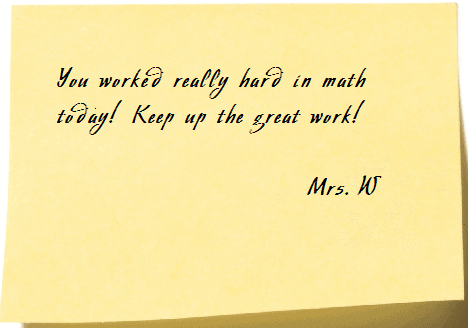
- Write a short encouraging note
- Offer a quiet compliment as they leave class
In the end, these small gestures still reinforce positive behavior while respecting each student’s comfort level.
Need more tools to support positive behavior? Check out the ODD Toolkit – practical, proven strategies for challenging behavior, just $8.
Applying the 5-to-1 Ratio With Every Student
The 5-to-1 ratio is most powerful when it’s used with all students—not just the ones who are easy to connect with. In fact, the students who struggle most with behavior often benefit the most from extra positive interactions.
Here are a few simple ways to apply the ratio with students who are harder to reach:
- Acknowledge presence: “Glad you’re here today.”
- Notice small efforts: “I see you got your materials out—thanks for being ready.”
- Encourage participation: “I appreciate you sharing your answer.”
- Reinforce listening: “Thanks for following that direction.”
Even small acknowledgments build trust over time. By consistently noticing effort, teachers create opportunities for connection and help students feel valued, respected, and more willing to engage.

Final Thoughts and Reflection
The 5-to-1 ratio is simple in concept but powerful in practice. By shifting the balance toward positive interactions, teachers can:
- Reduce classroom difficulties
- Strengthen student relationships
- Increase motivation and engagement
- Create a supportive, welcoming climate for learning

Perfection isn’t required—the key is consistent effort. Even small changes, like being mindful of your balance of encouragement and corrections, can begin to transform the classroom atmosphere.
Reflection Questions
- What is your current ratio of positive to corrective interactions?
- Which students might benefit most from receiving more positive attention from you?
- What small step can you take tomorrow to increase encouragement in your classroom?
The 5-to-1 ratio works because it focuses on what every student needs: to feel noticed, valued, and respected. With time and consistency, positive communication becomes the foundation of your classroom culture.
Video Presentation: Understanding the 5-to-1 Ratio

More Strategies to Support Positive Behavior
The 5-to-1 ratio is one powerful way to improve classroom behavior and engagement. If you’d like additional strategies, check out these resources:
- 10 Simple Ways to Improve Children’s Behavior (Home and School)
- How to Motivate Your Students and Get Them to Listen to You (39 Effective Strategies for Classroom Management)
- Printable Classroom Rules with Matching Visuals
- 8 Major Principles of Positive Behavior Support
Need more behavior support strategies?
Get our ODD Toolkit for more tools to manage challenging behavior.
Download Now – $8
Looking for engaging classroom activities? You might also like Amazon’s Best Classroom Board Games.
References & Further Reading
- Cook, C. R., Grady, E. A., Larson, M., & Renshaw, T. L. (2016). Evaluating the impact of increasing general education teachers’ ratio of positive-to-negative interactions on students’ classroom behavior. Journal of Positive Behavior Interventions, 18(4), 219–229.
- Fredrickson, B. L., & Losada, M. F. (2005). Positive affect and the complex dynamics of human flourishing. American Psychologist, 60(7), 678–686.
- Simonsen, B., Fairbanks, S., Briesch, A., Myers, D., & Sugai, G. (2008). Evidence-based practices in classroom management: Considerations for research to practice. Education and Treatment of Children, 31(3), 351–380.
- Moore, K. A. (2019). The role of teacher praise in improving student outcomes. Panorama Education Research Brief.
- Sutherland, K. S., Wehby, J. H., & Copeland, S. R. (2000). Effect of varying rates of behavior-specific praise on the on-task behavior of students with EBD. Journal of Emotional and Behavioral Disorders, 8(1), 2–8.
- Conroy, M. A., Sutherland, K. S., Snyder, A. L., & Marsh, S. (2008). Classroom-based research on preventing problem behaviors: What we have learned. Exceptional Children, 74(4), 459–474.
- Reinke, W. M., Herman, K. C., & Stormont, M. (2013). Classroom-level positive behavior supports in schools implementing SW-PBIS: Identifying areas for enhancement. Journal of Positive Behavior Interventions, 15(1), 39–50.
- Brophy, J. (1981). Teacher praise: A functional analysis. Review of Educational Research, 51(1), 5–32.
- Hattie, J., & Timperley, H. (2007). The power of feedback. Review of Educational Research, 77(1), 81–112.

Rachel Wise is the author and founder of Education and Behavior. Rachel created Education and Behavior in 2014 for adults to have an easy way to access research-based information to support children in the areas of learning, behavior, and social-emotional development. As a survivor of abuse, neglect, and bullying, Rachel slipped through the cracks of her school and community. Education and Behavior hopes to play a role in preventing that from happening to other children. Rachel is also the author of Building Confidence and Improving Behavior in Children: A Guide for Parents and Teachers.
"Children do best when there is consistency within and across settings (i.e., home, school, community). Education and Behavior allows us to maintain that consistency."
Releated Topics